
Karachi System Perspective

by Misbahuddin Sheikh’s Insight
Karachi, Pakistan:
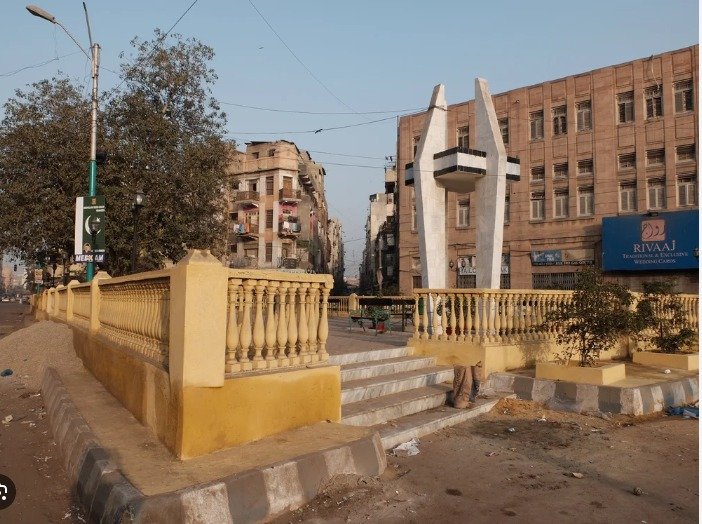
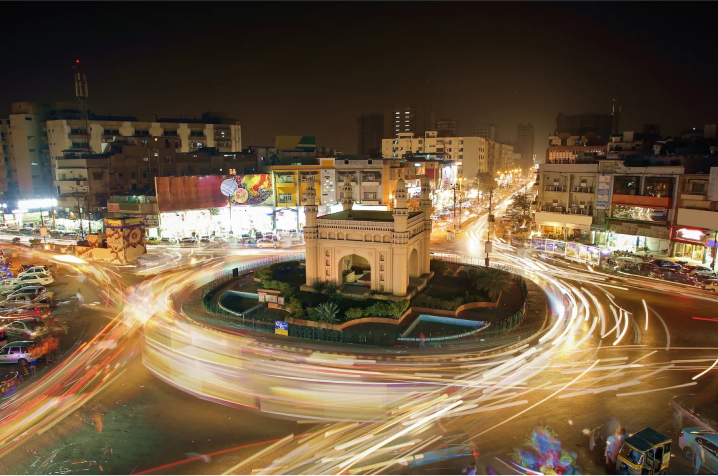
In his powerful article “Karachi System Perspective,” Misbahuddin Sheikh highlights how Karachi — once a global hub of progress — became a neglected city trapped within a corrupt system. The author compares Karachi to Mumbai and New York, noting that despite its potential, it has been systematically destroyed by those who claim to serve it.
Understanding the Karachi System
According to Misbahuddin Sheikh, the system everyone speaks of but no one defines is a complex web of corruption, power, and control. From government officials to institutional heads, every layer of authority has become a part of the same machinery that was meant to protect citizens.
He explains that the roots of Karachi’s downfall go back to the Zia-ul-Haq era, when policies imported a wave of crime, terrorism, and drug trafficking into Pakistan. The result was the birth of a parallel power structure — a “system” that continues to dictate Karachi’s fate.
How the Karachi System Destroyed the City
The Karachi System did not only spread in politics but also infiltrated religious, governmental, and corporate institutions. Contractors, political parties, and agencies all became a part of it. Those who tried to oppose it were silenced — sometimes permanently.
According to records cited by Sheikh, this system extorts over 13 billion rupees daily from Karachi.
That amounts to 390 billion per month and an estimated 4,680 billion rupees annually — enough to rebuild the entire city multiple times.
Author’s Warning
Sheikh boldly states that writing against the system is dangerous:
“Anyone who writes about the system goes to a world they will never see again.”
Despite the risk, he stresses that unless Karachi is freed from the system’s grip, Pakistan cannot rise. Eliminating corruption from Karachi would make it one of the most beautiful and prosperous cities in the world.
About the Author
Misbahuddin Sheikh is a Karachi-based writer and thinker who openly discusses political, social, and institutional corruption. His article “Karachi System Perspective” offers a rare, fearless look into the city’s complex reality.