

Misbah-ud-Din Sheikh’s Bold Analysis
Karachi becomes Afghanistan.
Those who do not recognize the existence of Pakistan are now fully occupying Karachi.
Written by Misbah-ud-Din Sheikh
In 1947, when Pakistan was founded, it emerged as the second country in the world created in the name of Islam. It was recognized globally—even by the enemies of Islam—but not by the self-proclaimed ethnic Islamic voices who never accepted Pakistan’s identity.
According to writer Misbah-ud-Din Sheikh, this rejection has deeply affected Pakistan, especially Karachi, where these same elements have contributed to the city’s ongoing destruction. Some former rulers of Pakistan allowed such anti-state elements to operate freely — including in illegal trades such as drugs and smuggling — in exchange for personal luxuries.
“Today, Pakistan is under attack by the same forces it once sheltered,” writes Sheikh.
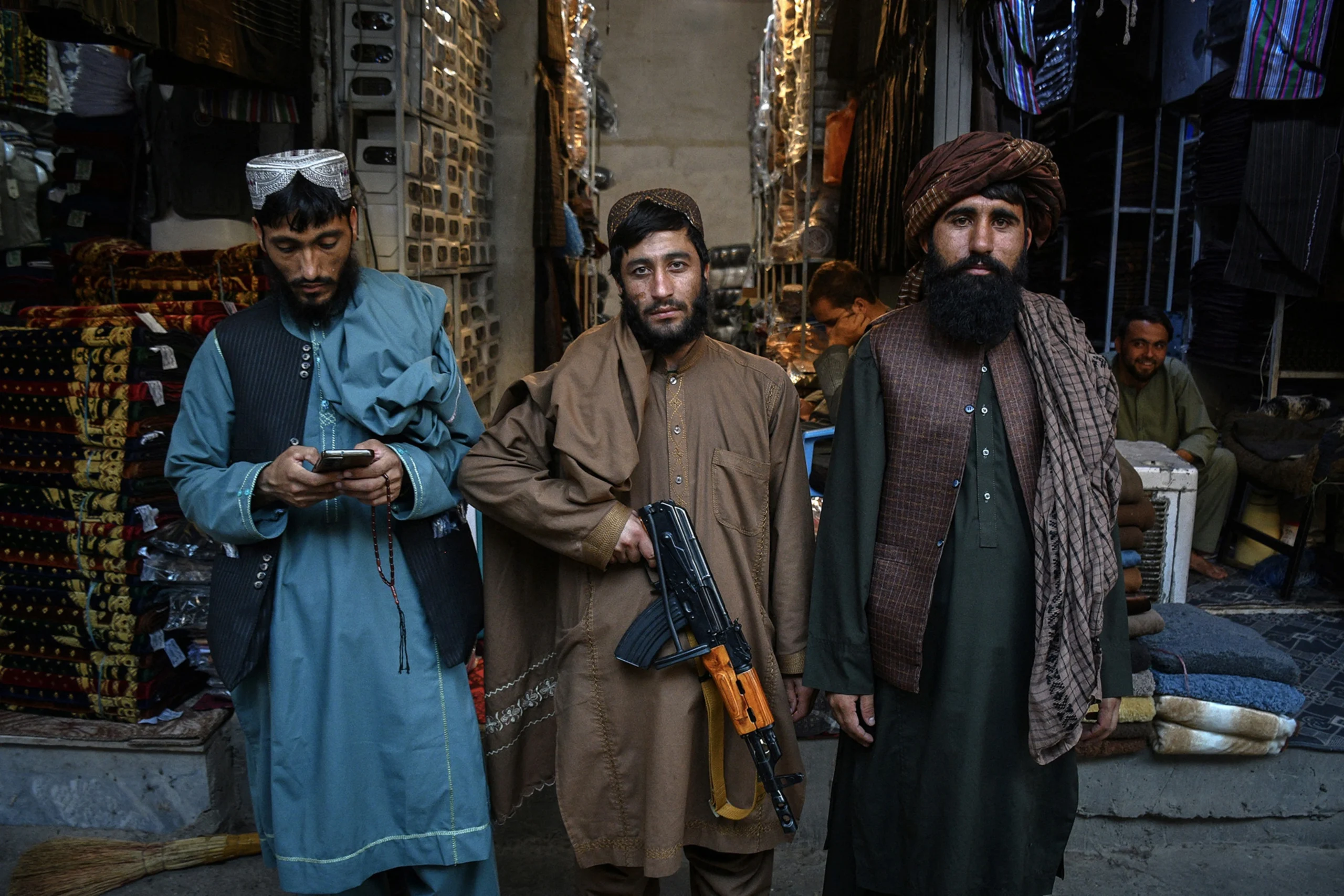
He points out that Afghanistan has, for the last 40 years, been infiltrating and influencing Pakistan, particularly Karachi, where the number of Afghan nationals now exceeds 20 million, with most lacking any official identity documents.
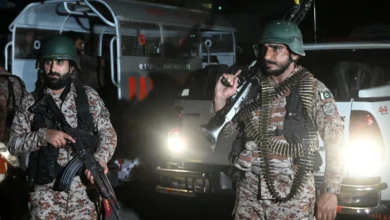
At present, Pakistan continues operations against terrorists and Khawarij elements, yet Sheikh argues that these efforts seem superficial when compared to the widespread Afghan gangsterism entrenched across Karachi’s neighborhoods.
He claims that no government agency or police station in Karachi is allowed to take action against Afghan nationals, even when complaints are filed. Meanwhile, Afghan-origin groups control the illegal drug market, selling narcotics to youth across all ethnicities and social classes in Pakistan.
Additionally, smuggled goods and illegal weapons continue to flow into Karachi — something Sheikh attributes to corruption among border authorities. “It is impossible for such goods to enter Pakistan without bribery,” he writes, adding that border guards themselves have become part of the problem.
The article argues that Afghan gangster networks are so powerful that anyone daring to raise a voice against them risks being silenced — through intimidation, disappearance, or even violence.
In conclusion, Sheikh holds that the silence of Karachi’s own citizens has allowed this situation to persist:
“The nation that silently watches the destruction of its own generations is responsible for turning Karachi into Afghanistan.”