

Increasing Petroleum Levy has been strongly criticized by Amaan Paracha, Vice President of the Federation of Pakistan Chambers of Commerce and Industry, who termed the move unjust and unfair to both consumers and the business community.
Speaking in Karachi on January 17, 2026, Amaan Paracha said that while global oil prices have declined, the government has failed to pass on the full benefit to the public. Instead, additional petroleum levies have been imposed, increasing mental stress on citizens already suffering from high inflation.
Increasing Petroleum Levy Neutralizes Global Oil Price Decline
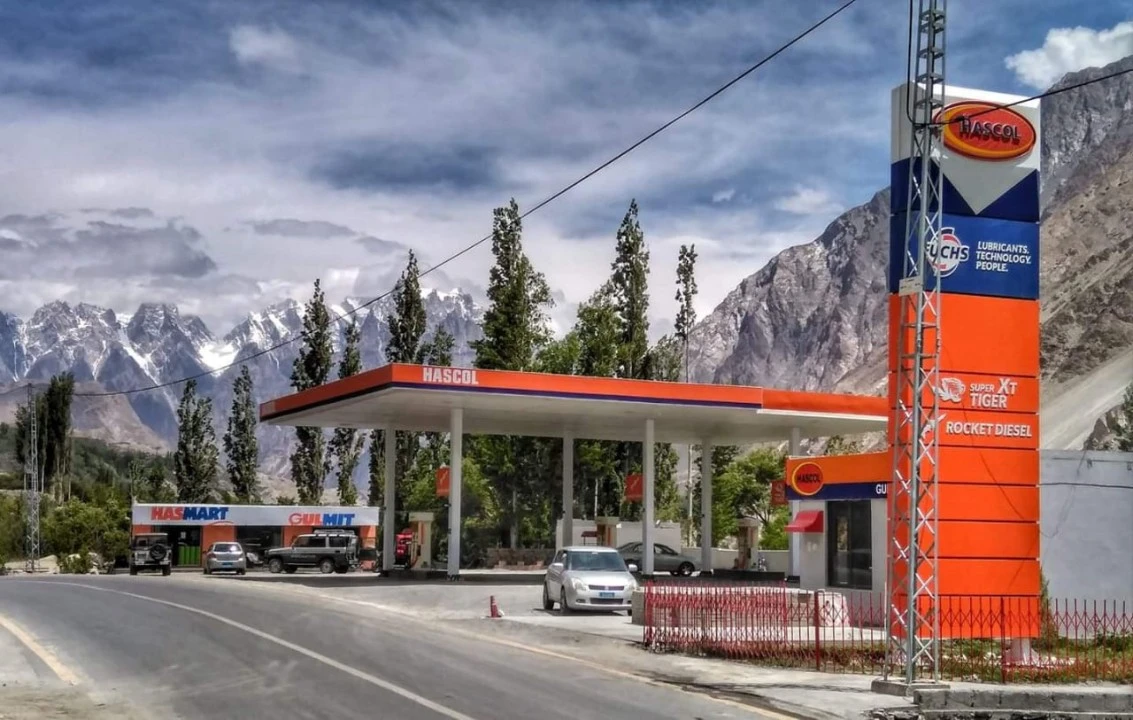
Amaan Paracha pointed out that the increasing petroleum levy has effectively neutralized any relief that consumers could have received from falling international oil prices. He revealed that the government raised the petroleum levy on petrol by Rs 4.65 per litre, increasing it from Rs 79.62 to Rs 84.27 per litre.
Similarly, the levy on diesel was increased by 80 paisa per litre, taking it from Rs 75.41 to Rs 76.21 per litre. According to him, if the levy had remained unchanged, petrol prices could have decreased by approximately Rs 4.50 per litre, providing significant relief to the public.
High Taxes on Fuel Add to Inflation and Business Costs
Highlighting the broader economic impact, Amaan Paracha stated that increasing petroleum levy directly contributes to inflation and raises the cost of doing business in Pakistan. He emphasized that fuel prices affect transportation, manufacturing, and supply chains, making petroleum taxation a key driver of rising prices across all sectors.
He added that Pakistan already imposes some of the highest taxes on petroleum products in the world, yet the benefits of these taxes are not reflected in public welfare or infrastructure development.
Increasing Petroleum Levy Fails to Deliver Public Welfare
The FPCCI Vice President criticized the government for repeatedly blaming low tax collection despite imposing heavy taxes on fuel. He stated that corruption, inefficiency, and slow development remain unaddressed, while the public and business community continue to bear the burden.
Amaan Paracha remarked that globally, whenever petroleum prices decline, governments ensure that consumers benefit. However, in Pakistan, fuel prices are increased immediately when global prices rise, while reductions are withheld through increasing petroleum levy.
Call for Immediate Relief to Consumers and Industry
Concluding his statement, Amaan Paracha urged the government to reverse the increasing petroleum levy and pass on the benefit of reduced global oil prices to the domestic market. He stressed that such a move is essential to control inflation, ease public hardship, and support economic stability.
He warned that failure to provide relief would further weaken purchasing power, hurt industrial productivity, and deepen public dissatisfaction.