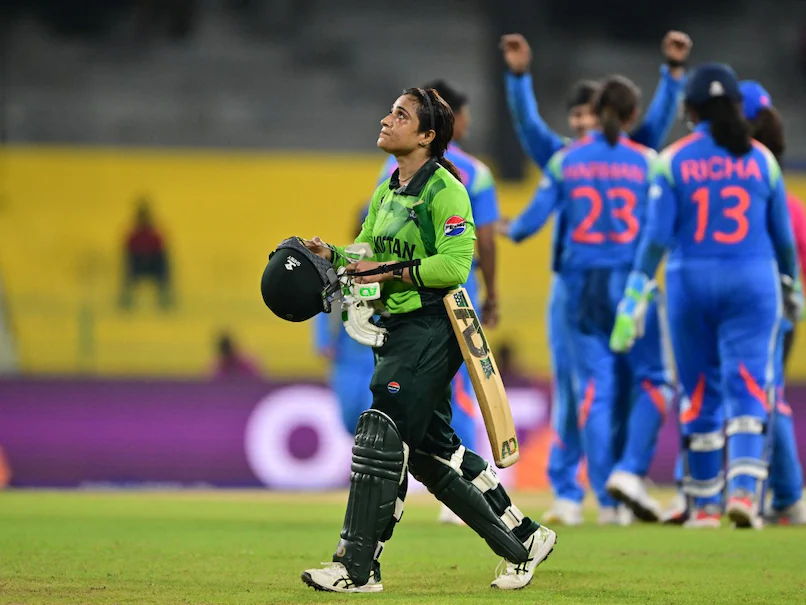

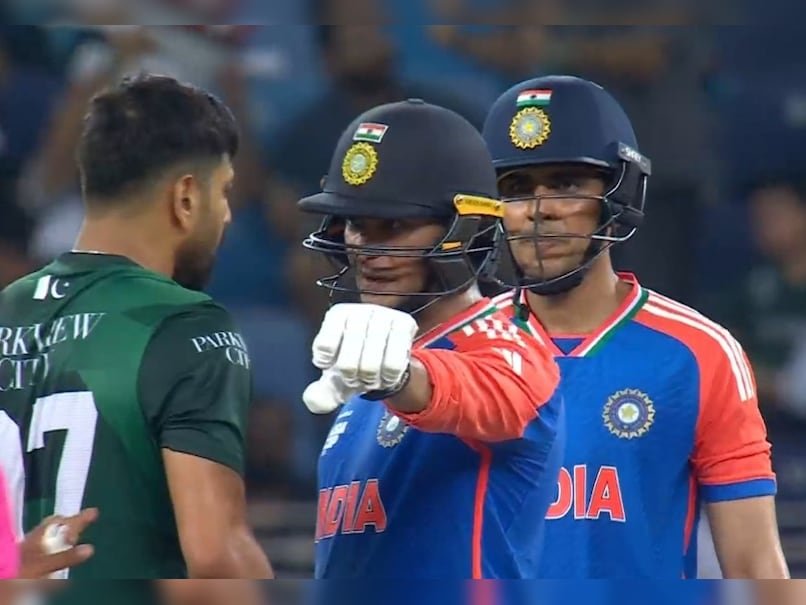
Pakistan-India Match Becomes More Than Just Cricket
A Pakistan-India encounter at an ICC tournament has once again become inevitable — and this time, it carries significance beyond the boundary ropes. What initially seemed uncertain earlier this year has now transformed into one of the most highly anticipated fixtures in international cricket.
Pakistan enters the contest with renewed confidence on the field, showing noticeable improvement in performance. Off the field, however, the Pakistan Cricket Board (PCB) has stirred debate by challenging the power dynamics of international cricket amid tensions surrounding India’s stance.
The ‘Un-Boycott’ and Its Political Ripples
The recent controversy surrounding a potential boycott evolved into what many describe as an “un-boycott,” allowing all involved parties to claim some form of victory. Bangladesh emerged with the reward of hosting an ICC event, while India secured its commercial interests and maintained its position within the global cricket structure.
For Pakistan, the move was framed as standing in solidarity with Bangladesh while also avoiding diplomatic strain with Sri Lanka. At the same time, the PCB used the moment to question what it views as unequal influence within the International Cricket Council (ICC).
Some observers believe the entire episode was largely symbolic, while others argue it exposed deeper structural issues in global cricket governance.
India’s Dominance in Global Cricket
There is little doubt that India holds immense financial power within international cricket. Its strong market and broadcasting revenue provide significant leverage within the ICC. Other major cricketing nations, including England and Australia, often align with India’s position due to economic considerations.
Pakistan’s strategy was to spotlight concerns about what it perceives as disproportionate influence in the sport’s administration. However, in practical terms, immediate tangible gains remain limited.
Discussions have been promised regarding fairer revenue distribution among cricketing nations. If implemented, such reforms could benefit Pakistan in the long term. Another key issue under discussion is the possible revival of bilateral cricket series between Pakistan and India — a development that would be commercially and competitively significant.
The Road Ahead for Pakistan Cricket
While Pakistan may not have secured an outright victory in this dispute, it has ensured its financial participation in the ICC event and maintained positive relations with co-host Sri Lanka.
Looking forward, the PCB faces a dual challenge. First, it must capitalise on Pakistan’s large population to strengthen its commercial market in global cricket. Second, it must transform its inconsistent national team into a consistently dominant side.
True influence in international cricket stems from financial strength, on-field excellence, or ideally both. For Pakistan to shift the balance of power, it must pursue a long-term strategic vision rather than rely on short-term measures.
The immediate test comes on February 15 in Sri Lanka, where Pakistan faces India. A strong performance on the field would reinforce its broader stance off it. For supporters, victory in that contest would symbolize more than just two points — it would represent a statement of intent for a new era.