



























Manzar Naqvi
The Muslim Ummah’s Shared Responsibility Against American and Israeli Aggression
Karachi, Pakistan – The recent airstrikes carried out by and the on Iranian territory constitute a blatant violation of the sovereignty of, as well as a clear breach of international law and the United Nations Charter. These actions have taken place at a time when the region is already facing instability, threats of war, and severe humanitarian crises.
The timing of this aggression, ahead of the holy month of Ramadan and the occasion of Nowruz, reflects a disregard for diplomatic norms and sets a dangerous precedent for global peace, further escalating tensions across the region.
Iran’s Legal Right to Self-Defense
Iran’s Foreign Ministry has described the attacks as open aggression and reaffirmed that the country reserves the full right to defend its sovereignty and national security. Under Article 51 of the UN Charter, every state holds the legitimate right to self-defense if its territory is attacked, making Iran’s stance legally justified in the context of international law.
In this framework, Iran’s position appears strong, as retaliatory measures fall within the legal authority granted to sovereign states under established international principles.
Double Standards and Regional Instability
The repeated use of force by the United States and Israel is pushing the Middle East toward deeper instability. If the international system truly operates on rules and principles, powerful states must also be bound by them. Unfortunately, global politics often prioritizes power over law, leading to long-term and destructive consequences.
Such actions not only inflame regional tensions but also reinforce perceptions of double standards at the global level, weakening confidence in the international legal order.
Responsibility of the Muslim World
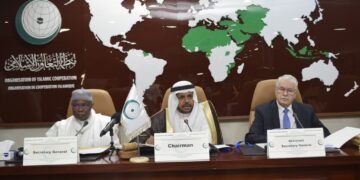
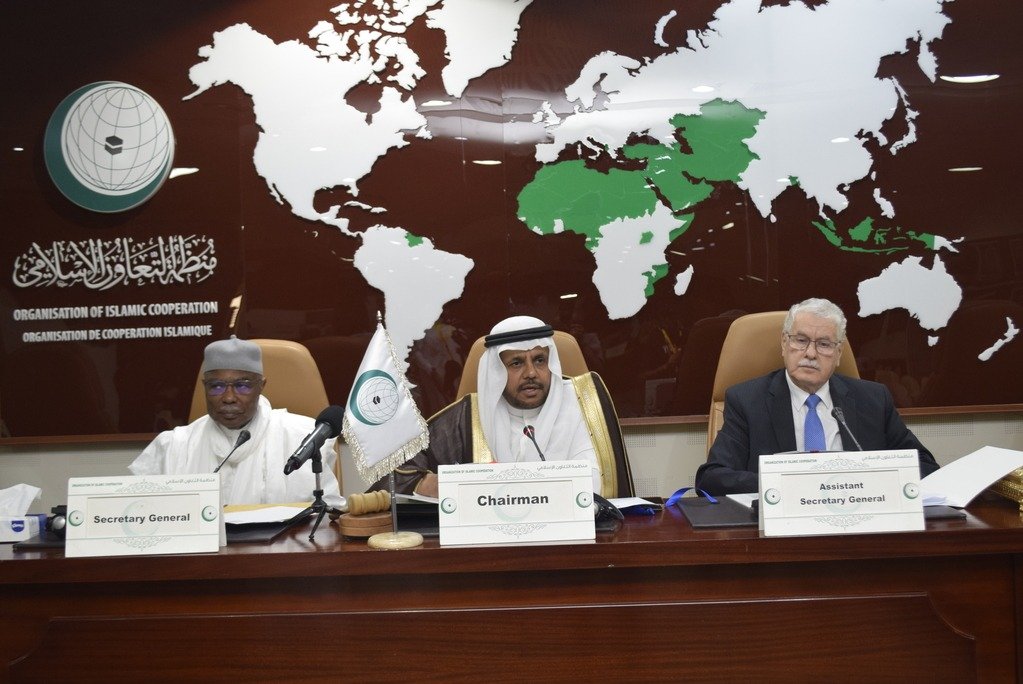
At this critical juncture, the responsibility of the Muslim Ummah has increased manifold. Islamic countries must move beyond symbolic statements and adopt a unified and effective strategy. The should convene an emergency meeting and present a clear, practical, and unified stance.
If the sovereignty of a Muslim country is violated and the Ummah fails to respond collectively, it projects weakness and may encourage further acts of aggression in the future.
Need for Collective Action and Unity
OIC member states should exert diplomatic pressure at the United Nations, particularly within the Security Council, and raise the issue forcefully in international forums. Mere condemnations are insufficient; coordinated diplomatic, economic, and political measures are required to convey seriousness about sovereignty and dignity.
Muslim countries must also set aside internal differences and strengthen collective security. This aggression against Iran is not an isolated issue but a challenge to the sovereignty and security of the entire region.
Justice, Sovereignty, and Global Stability
The world stands at a crossroads between power politics and the rule of law. Continued silence from the international community risks further eroding the credibility of the global system. A response grounded in justice, peace, and respect for sovereignty is urgently needed.
Lasting peace is not achieved through military dominance but through dialogue, mutual respect, and trust. This moment represents a historic test for the Muslim world—unity, wisdom, and resolve can safeguard the dignity of Iran and the entire Ummah, while silence and division may invite greater challenges ahead.