



















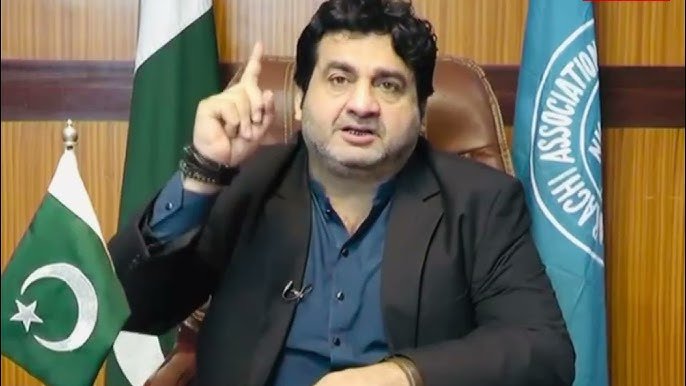
Gas and Electricity Tariffs Hike Termed Anti-Industry by Faisal Moiz Khan
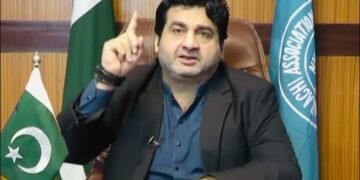
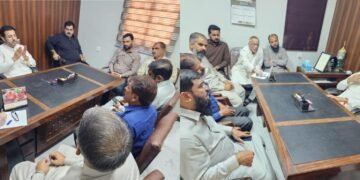
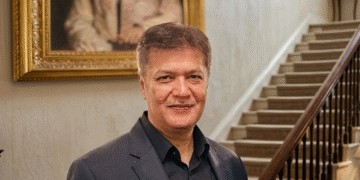
Gas and Electricity Tariffs should not be increased in the current economic climate, said Faisal Moiz Khan, President of the North Karachi Association of Trade and Industry (NKATI), warning that such moves are anti-industrial and counterproductive to economic recovery efforts.
Speaking to reporters in Karachi, Faisal Moiz Khan emphasized that repeated attempts to raise energy prices are crippling Pakistan’s industrial sector, which is already struggling due to inflation and high production costs.
“Increasing electricity and gas tariffs at this stage is an anti-industry step that will further damage production and exports,” he stated.
Gas and Electricity Tariffs Increase Request Before OGRA
Faisal Moiz Khan highlighted that the Oil and Gas Regulatory Authority (OGRA) was scheduled to hold a hearing on Tuesday regarding Sui Southern Gas Company’s (SSGC) request to raise gas prices by Rs. 125.41 per MMBTU, bringing the average rate to Rs. 1,658.56 per MMBTU.
He said such a proposal was unjustified and ill-timed, given the challenges already faced by industrial units.
“We hope OGRA will focus on reducing the hardships of domestic industries instead of adding to them,” he added.
NKATI Criticizes Bureaucratic Push for Tariff Hikes
The NKATI President criticized the bureaucracy for its continued efforts to raise electricity and gas tariffs, calling it a short-sighted approach that undermines the government’s pro-industry initiatives.
He warned that such moves would increase production costs, discourage new investment, and erode competitiveness in both domestic and export markets.
“Our industries cannot compete globally if energy costs keep rising,” Faisal Moiz Khan said.
“The bureaucracy must stop burdening the industrial sector with unrealistic tariffs.”
Electricity Incremental Package Raises Concerns
Faisal Moiz Khan also pointed out that the government’s three-year electricity incremental package for the industrial sector could create disparities among manufacturers.
He urged the authorities to focus instead on a uniform and reduced base tariff for all industries.
“Instead of introducing complex schemes, the government should reduce the basic electricity tariff for everyone,” he explained. “That is the only sustainable way to support growth.”
Gas and Electricity Tariffs Affect Industrial Competitiveness
The NKATI President reiterated that energy affordability is crucial to industrial growth, and rising tariffs directly impact employment, exports, and overall economic stability.
“When energy prices go up, it’s not just factories that suffer — the entire supply chain, from laborers to exporters, feels the pressure,” he said.
He called on policymakers to engage with industry representatives before making any decisions about tariff adjustments, emphasizing that dialogue and planning are essential for achieving sustainable economic progress.
Appeal to OGRA and the Federal Government
Concluding his statement, Faisal Moiz Khan urged OGRA and the federal government to adopt a long-term energy strategy based on affordability, efficiency, and competitiveness.
“Instead of raising gas and electricity tariffs, the government should promote industrial efficiency and incentivize energy conservation,” he said.
“A stable industrial base will strengthen Pakistan’s economy far more than any temporary revenue gains from tariff hikes.”