
































Governance Reforms in Pakistan Essential for Economic Growth: Malik Muhammad Bostan
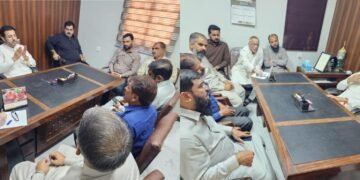
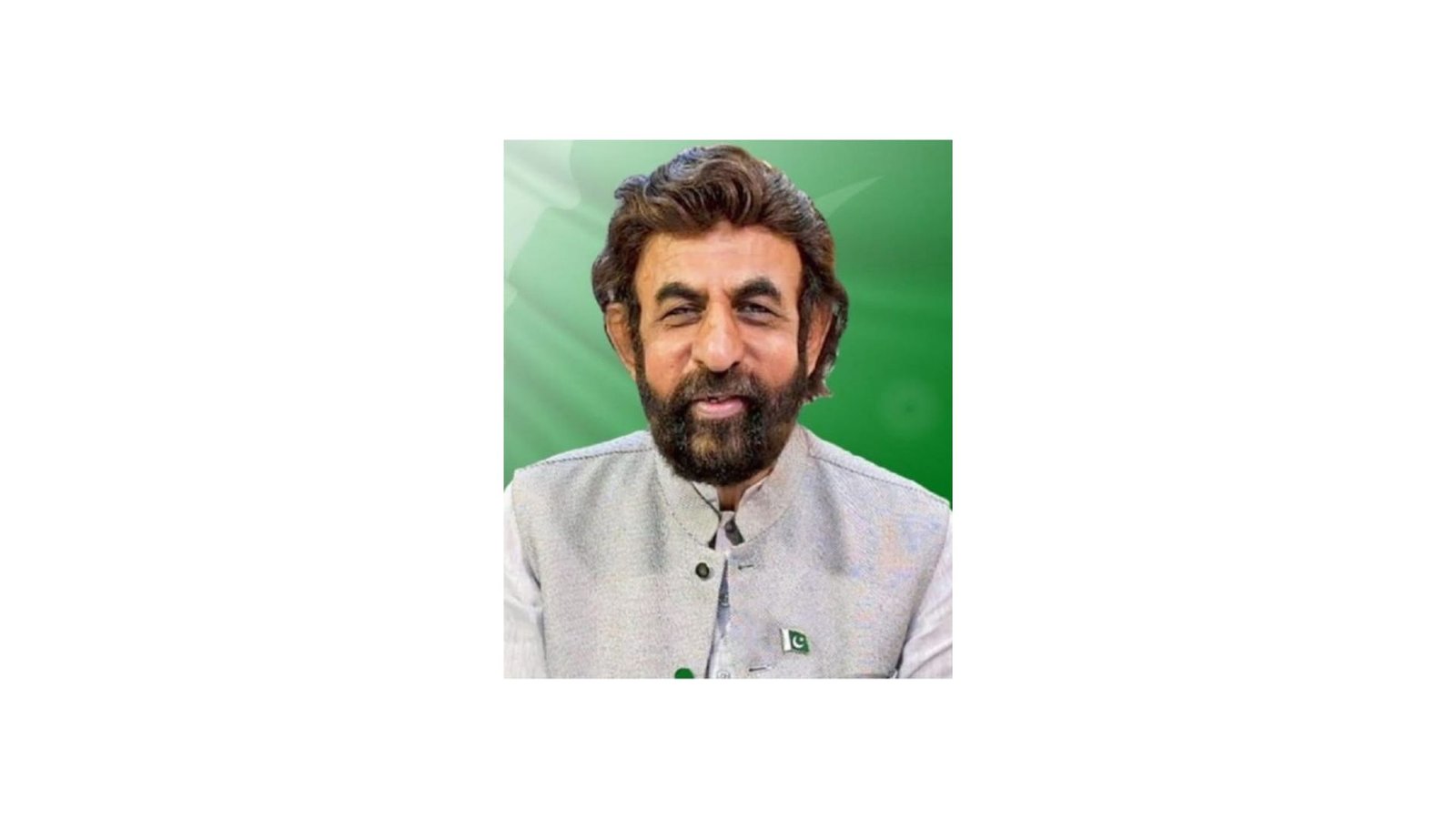
Chairman of the Exchange Companies Association of Pakistan (ECAP), Malik Muhammad Bostan, has emphasized the urgent need for governance reforms in Pakistan to strengthen the economy, attract investment, and ensure sustainable development.
He expressed confidence in the economic reform program introduced by Federal Finance Minister Senator Mohammad Aurangzeb, describing it as a step toward restoring investor confidence and achieving long-term macroeconomic stability.
Private Sector–Led Growth Model Needed
Malik Bostan stressed that Pakistan must adopt a productivity-based growth model led by the private sector rather than relying on excessive government intervention.
He said, “Like the rest of the world, Pakistan must limit the government’s role and focus on empowering businesses, industries, and entrepreneurs.”
He highlighted positive indicators, including the improvement in Pakistan’s international image, strengthening of the Pakistani passport, and the country’s macroeconomic stability.
Bostan also praised Field Marshal General Syed Asim Munir and Prime Minister Mian Shehbaz Sharif for enhancing Pakistan’s global standing, noting that U.S. President Donald Trump’s appreciation of Pakistan’s leadership was a first in history.
Macroeconomic Stability and Global Recognition
According to Malik Bostan, Pakistan’s macroeconomic stability has been recognized internationally, with rating agencies improving Pakistan’s outlook and the IMF second review successfully completed.
He said Pakistan is now well-positioned to turn macroeconomic stability into trade and investment opportunities, urging the government to engage top economic experts and collaborate with the private sector for future reforms.
“Macroeconomic stability should not be the final goal; we must sustain it through innovation, efficiency, and good governance,” he said.
Youth Empowerment Through Digital Skills
Emphasizing the role of the youth in governance reforms, Bostan urged the government to focus on digital and technical training, particularly in artificial intelligence (AI), blockchain, and coding, to enable young Pakistanis to compete globally.
“Empowering youth with digital skills will help them access high-value international opportunities,” he added.
Government Debt and Fiscal Challenges
Referring to the Ministry of Finance’s Fiscal Year 2025 Report, Malik Bostan said Pakistan’s government debt has reached 74.5% of GDP, a 3.6% increase, amounting to Rs. 9.3 trillion.
He mentioned that the government aims to reduce this ratio to 70% by the end of the current fiscal year and 50% by 2035, but rising interest payments and low revenues remain key obstacles.
“Loans are now being taken just to pay interest — this must change through effective fiscal management,” Bostan said.
Taxation and Revenue Reforms
Bostan urged the Federal Board of Revenue (FBR) to reduce the tax burden on multinational companies, warning that over-taxation (above 60%) could drive foreign investors away.
He proposed boosting revenue through IT, agriculture, and industrial sectors, emphasizing that balanced taxation would help reduce unemployment and poverty while expanding the national revenue base.