































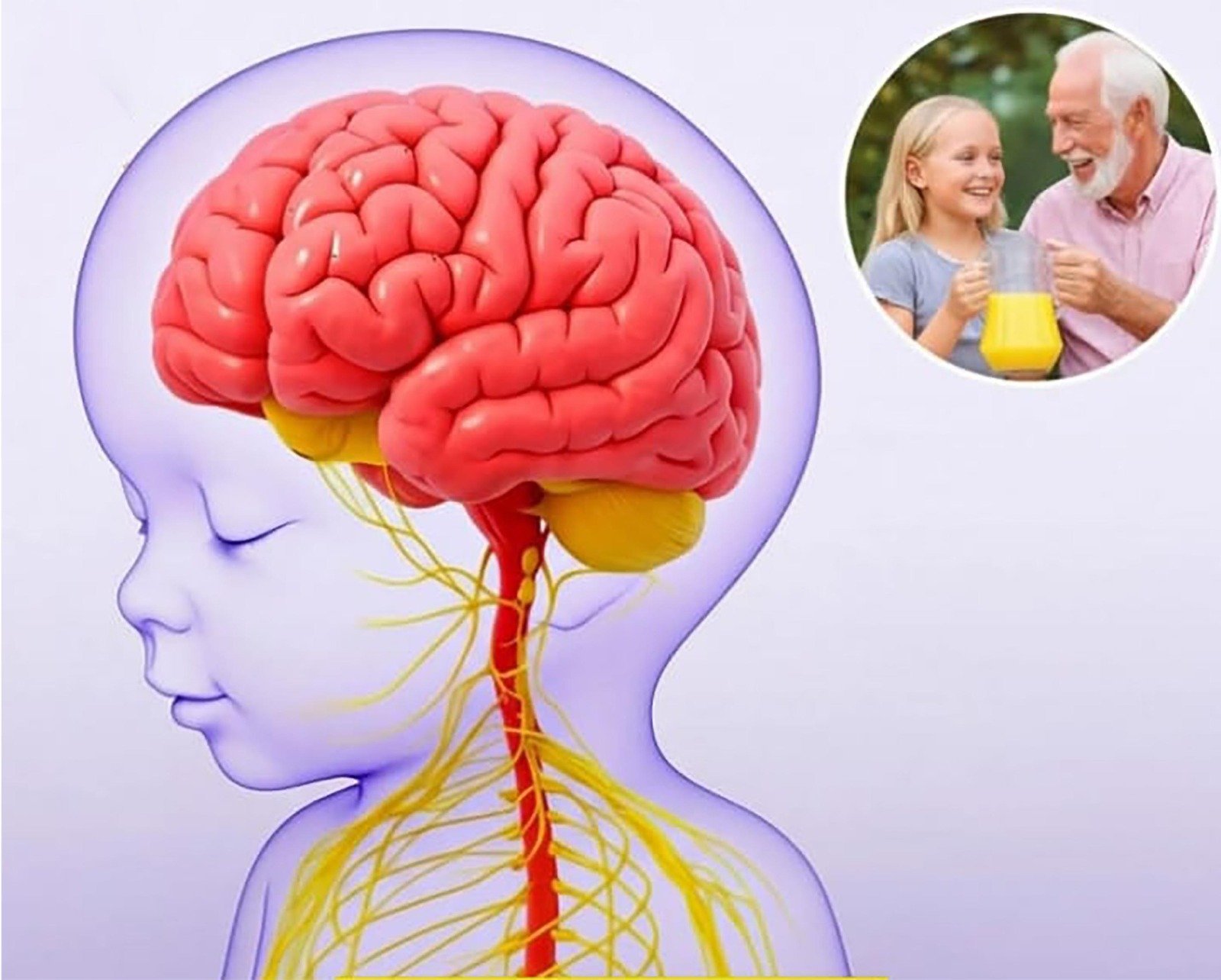
Children maintaining close relationships with grandparents and spending regular time together are thirty percent less likely to develop depression while showing higher empathy levels and reduced stress hormones, according to scientific studies.
1. Emotional Support & Mental Health
Children who spend regular, positive time with grandparents show lower rates of anxiety and depression.
Grandparents provide emotional security, patient listening, and unconditional affection — all of which strengthen a child’s sense of belonging and safety.
Experts note that the grandparent bonds and child mental health connection plays a vital role in promoting emotional stability.
2. Brain & Stress Hormones
Loving interactions with grandparents help reduce cortisol — the body’s primary stress hormone.
This biological change reduces chronic stress and improves emotional regulation, especially in children facing family tension or limited parental time.
Such findings highlight how grandparent bonds and child mental health are biologically linked.
3. Empathy and Social Skills
Research from Boston College (2014) and Oxford University (2018) found that children with active grandparent relationships score higher in empathy and social understanding.
Older adults teach patience, kindness, and storytelling-based learning, shaping emotional intelligence and interpersonal growth.
4. Depression Risk
A 2014 Gerontology study found that children and teens who frequently interact with grandparents are about 30% less likely to experience depressive symptoms.
Regular visits, shared meals, or even video calls strengthen the emotional connection that buffers against loneliness and sadness.
In Short
- True idea: Scientifically supported.
- Explanation: Emotional bonding with grandparents → lowers stress → boosts empathy → protects mental health.
Experts conclude that the grandparent bonds and child mental health relationship is one of the most consistent predictors of emotional resilience in youth.