




























Gulf Tensions May Pose Serious Risks to Pakistan’s Economy, Says ECAP Chief Malik Muhammad Bostan
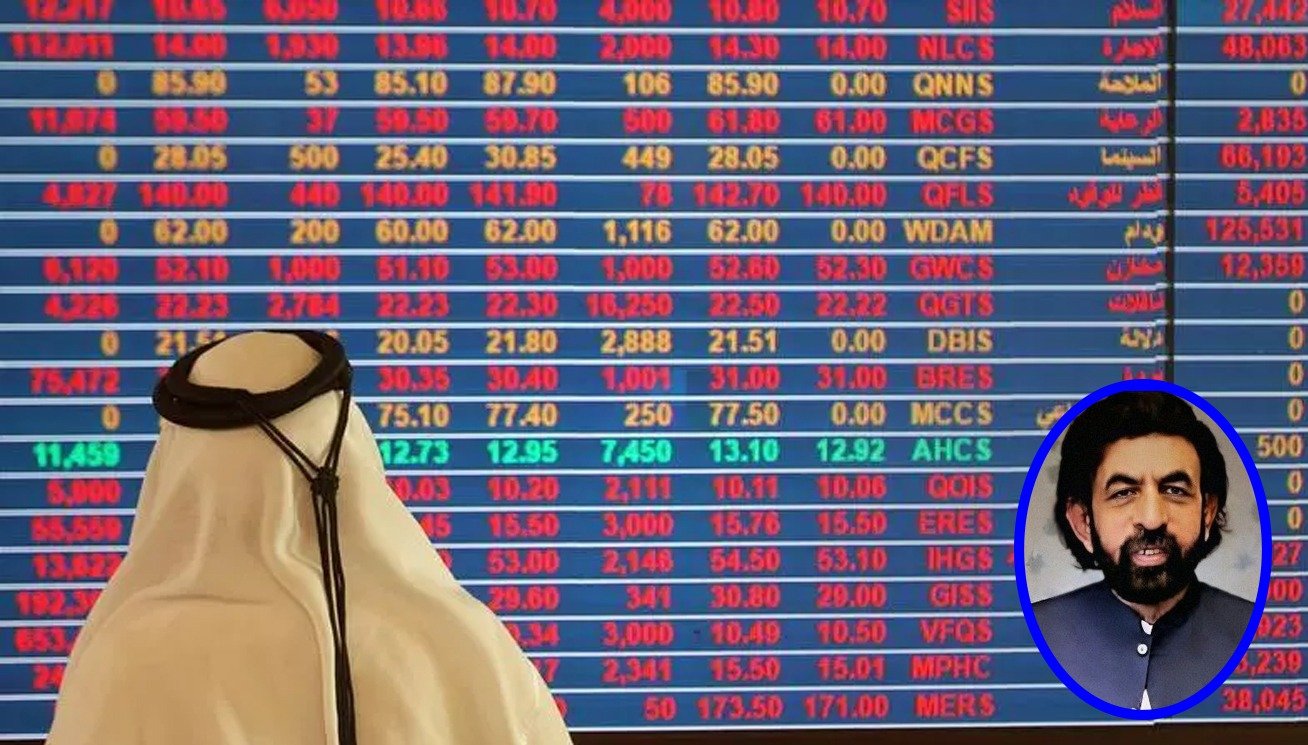
Karachi, Pakistan – Chairman of the Exchange Companies Association of Pakistan (ECAP), Malik Muhammad Bostan, has expressed grave concern over escalating global and regional instability, warning that growing Gulf tensions could pose serious economic risks to Pakistan.
He stated that prolonged unrest in the Middle East may significantly affect Pakistan’s trade, remittances, and energy supplies at a time when the national economy is already facing considerable pressure.
Impact on Remittances and Trade
Commenting on the evolving situation, Malik Muhammad Bostan noted that the Middle East remains one of Pakistan’s key economic partners. Millions of Pakistani expatriates working in Gulf countries contribute substantially to the economy through remittances, which serve as a vital source of foreign exchange.
He warned that any prolonged Gulf tensions could disrupt trade flows, energy supplies, and remittance inflows, creating additional financial strain on the country.
Flight and Shipping Disruptions Raise Concerns
The ECAP chief pointed out that recurring airspace closures across several Middle Eastern countries have resulted in the cancellation of hundreds of flights from major Pakistani international airports, affecting thousands of passengers. Airlines are also facing financial losses due to disrupted operations to destinations including Saudi Arabia, the UAE, Qatar, Kuwait, and Bahrain.
He further highlighted concerns over shipping disruptions in parts of the region, stating that uncertainty among exporters and importers could intensify if the conflict persists. Delayed consignments and higher operational costs may significantly impact business activity.
Fuel Prices and Foreign Exchange Pressure
Emphasizing Pakistan’s heavy reliance on imported fuel, Malik Muhammad Bostan cautioned that supply chain interruptions could lead to petroleum shortages and a surge in domestic fuel prices. Rising global crude oil prices would increase the import bill and exert further pressure on foreign exchange reserves.
He urged policymakers to closely monitor Gulf tensions and adopt proactive measures to mitigate potential economic fallout and safeguard Pakistan’s financial stability.