








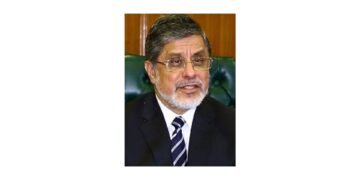













K-Electric revised multi-year tariff continues to draw industry attention as CEO Monis Abdullah Alvi voiced concern over NEPRA’s large-scale reduction in the power utility’s approved tariff structure.
Speaking in an official statement, Monis Alvi said that the multi-year tariff announced in June 2025—after two and a half years of extensive consultation and review—has been drastically altered within months.
“The revised tariff has created uncertainty for ongoing operations,” Alvi noted, adding that the company is reviewing ways to continue reliable power supply under the new financial framework.
Impact of NEPRA’s Decision on K-Electric Operations
The CEO warned that the major tariff cut could impact financial sustainability and possibly influence consumer-end electricity pricing.
“While K-Electric is striving to protect consumers from the direct impact, some effects of this change will be unavoidable,” Alvi explained.
K-Electric has briefed its Board of Directors on the matter, confirming a comprehensive review of operational and cost structures to mitigate potential disruptions.
Nuclear Power Generation Surges by 39.54%
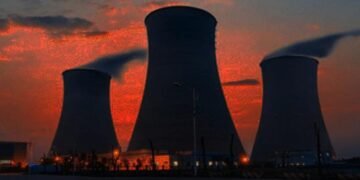
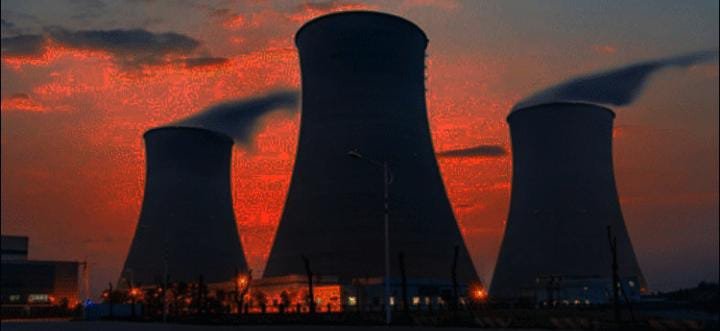
In a related update, NEPRA’s energy generation document revealed that nuclear electricity production increased by 39.54 percent year-on-year.
In September 2025, 2,227 MW of electricity was generated from nuclear fuel compared to 1,596 MW in September 2024.
At Rs 2.18 per unit, nuclear remains the cheapest energy source in Pakistan’s power mix, reinforcing the importance of low-cost domestic generation in stabilizing national tariffs.
Furnace Oil-Based Power Generation Sees 148% Surge
The report also noted a sharp 148.72 percent increase in power generation from furnace oil.
This year, 0.77 percent of total electricity came from furnace oil—up from 0.31 percent last year. However, its generation cost rose to Rs 28.24 per unit, making it one of the most expensive power sources in the country.
Analysts believe this uptick may reflect seasonal reliance on standby oil-based plants during lower hydropower availability.
Hydroelectric Power and LNG Generation Decline
According to the NEPRA report, hydroelectric power production dropped 1.14 percent on an annual basis. In September 2025, hydropower contributed 38 percent to total electricity generation compared to slightly higher figures in 2024.
A significant 8.44 percent decrease was recorded in electricity generation from imported LNG, with the unit cost reaching Rs 21.19.
Production from local natural gas also fell 4.76 percent, with generation cost averaging Rs 13.50 per unit.
Despite these shifts, the overall electricity generation increased 0.84 percent year-on-year in September—showing modest growth in national energy output.
IMF Update: Mini-Budget Risks Averted
Meanwhile, economic observers reported that the International Monetary Fund (IMF) has agreed on measures that have averted immediate mini-budget risks for the public, providing short-term fiscal relief amid fluctuating energy costs.
Pakistan’s Energy Mix and Future Outlook
Experts emphasize that K-Electric’s revised tariff and NEPRA’s energy mix data collectively underscore the volatility in Pakistan’s power generation costs.
Nuclear energy’s affordability provides hope for long-term stability, while reliance on costly furnace oil and imported LNG continues to strain fiscal balance.
Energy specialists have urged policymakers to accelerate renewable energy adoption, improve grid efficiency, and restructure tariffs to ensure fairness, sustainability, and affordability for end users.