Bangladesh Raises Minimum Wage by 36% Amid Protests
New 17,000-taka rate falls short of workers' demand, triggering clashes. National News Pakistan correspondents report that administrative desks and on-ground observers are closely monitoring developments across Pakistan.
60-Second Editorial Quick Summaryخلاصہ
Verified facts & intelligence briefed by National News Press Bureau.
Bangladesh has approved a 36% increase in the minimum wage for garment workers, raising it to 17,000 taka (approximately $138) per month.
This decision, made on Wednesday, marks the smallest wage hike in four decades and comes after weeks of protests demanding a higher wage, which led to clashes between police and workers in Dhaka.
The wage increase was determined by a six-member panel after extensive negotiations that saw workers initially demanding 32,000 taka ($257) before settling for 18,000 taka.
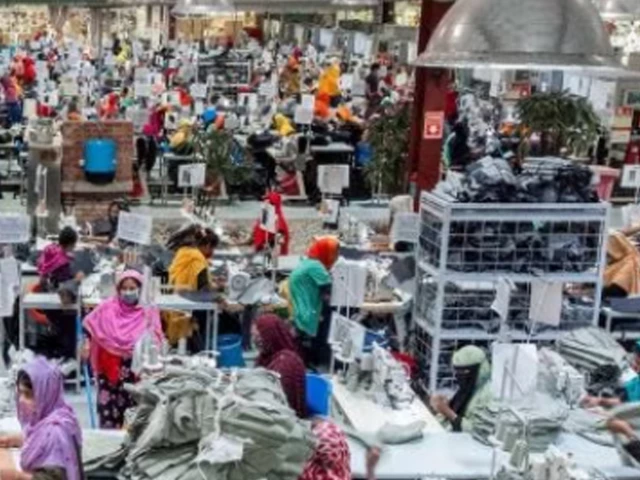
INTERNATIONAL BUREAU —Bangladesh has approved a 36% increase in the minimum wage for garment workers, raising it to 17,000 taka (approximately $138) per month. This decision, made on Wednesday, marks the smallest wage hike in four decades and comes after weeks of protests demanding a higher wage, which led to clashes between police and workers in Dhaka.
The wage increase was determined by a six-member panel after extensive negotiations that saw workers initially demanding 32,000 taka ($257) before settling for 18,000 taka. Factory owners had proposed a minimum of 15,000 taka, later increasing their offer to 17,000. The protests, which included factory shutdowns and highway blockades, highlighted the workers' dissatisfaction with the wage negotiations, which they feel do not meet their basic living needs.
The garment sector is crucial to Bangladesh's economy, employing over 4 million workers and accounting for more than 80% of the country's export earnings. The new wage rate is significantly lower than what many workers consider a living wage, raising concerns about their ability to meet basic needs. Historical context shows that previous wage increases have been more substantial, with hikes of 56% in 2023, 51% in 2018, and 77% in 2013.
The impact of this wage decision extends beyond the immediate financial implications for workers. It reflects ongoing tensions between labor rights and economic pressures faced by factory owners, many of whom supply major global retailers. The situation underscores the challenges in achieving fair compensation in a competitive global market.
National News Press continues to monitor the developments surrounding this wage increase and its implications for workers and the broader economy.
Key Takeaways & Executive Analysis
- Bangladesh has approved a 36% increase in the minimum wage for garment workers, raising it to 17,000 taka (approximately $138) per month.
- This decision, made on Wednesday, marks the smallest wage hike in four decades and comes after weeks of protests demanding a higher wage, which led to clashes between police and workers in Dhaka.
- The wage increase was determined by a six-member panel after extensive negotiations that saw workers initially demanding 32,000 taka ($257) before settling for 18,000 taka.
National News Press adheres to rigorous standards of accuracy, transparency, and independence. If you notice any factual discrepancy, please review our Editorial Policy or contact our desk at editorial@nationalnews.press.
Audience Reviews & Discussion
Share your perspective, rate coverage accuracy, and engage with verified readers across Pakistan.