
Climate Change Reduces Olive Yields in Khyber District
Heavy spring rains disrupt flowering as agriculture department pushes expansion, grafting, oil processing. National News Pakistan correspondents report that administrative desks and on-ground observers are closely monitoring developments across Pakistan.
60-Second Editorial Quick Summaryخلاصہ
Verified facts & intelligence briefed by National News Press Bureau.
Climate change and erratic weather patterns are significantly impacting olive production in Khyber district, with farmers reporting a sharp decline in yields and oil output this year.
Heavy spring rains during the critical flowering period have disrupted the fruit set, leading to smaller harvests.
Ahmad Gul, a local farmer with 1,100 olive trees, noted that his production has dropped from over 120 liters of oil last year to less than 100 liters this year due to these adverse weather conditions.
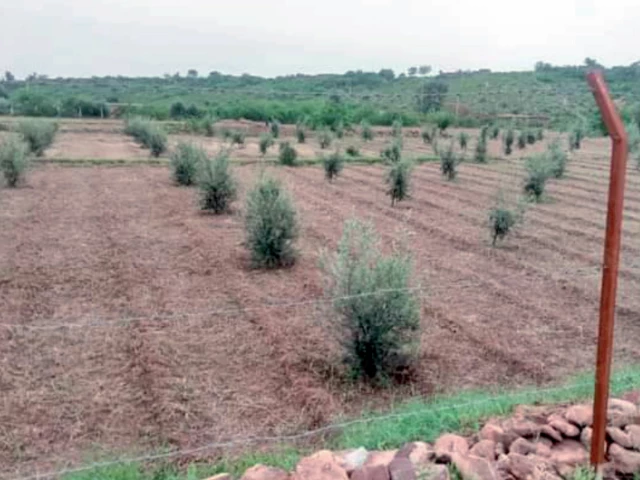
ISLAMABAD BUREAU —Climate change and erratic weather patterns are significantly impacting olive production in Khyber district, with farmers reporting a sharp decline in yields and oil output this year. Heavy spring rains during the critical flowering period have disrupted the fruit set, leading to smaller harvests. Ahmad Gul, a local farmer with 1,100 olive trees, noted that his production has dropped from over 120 liters of oil last year to less than 100 liters this year due to these adverse weather conditions.
The agriculture department has been pushing for the expansion of olive cultivation in the region, promoting grafting and oil processing initiatives. However, the unexpected heavy rains in March and April have posed challenges to these efforts. Farmers like Ahmad Gul are calling for timely interventions from the agriculture department, including the provision of necessary pesticides and fertilizers to protect their orchards from diseases and ensure better yields in the future.
The broader context of this situation highlights the growing concerns regarding climate change's impact on agriculture in Pakistan. As erratic weather patterns become more common, crops that are sensitive to such changes, like olives, are at risk. The government’s initiatives to promote olive cultivation are commendable, but without addressing the underlying issues of climate resilience, these efforts may not yield the desired results.
The socio-economic implications of reduced olive yields are significant for local farmers who rely on this crop for their livelihoods. With lower production, not only are farmers facing financial strain, but the local economy may also suffer due to decreased oil output. This situation calls for urgent attention and action from both the government and agricultural experts to mitigate the effects of climate change on agriculture.
National News Pakistan continues to monitor this developing situation closely, ensuring that the voices of affected farmers are heard and that appropriate measures are taken to support them.
Key Takeaways & Executive Analysis
- Climate change and erratic weather patterns are significantly impacting olive production in Khyber district, with farmers reporting a sharp decline in yields and oil output this year.
- Heavy spring rains during the critical flowering period have disrupted the fruit set, leading to smaller harvests.
- Ahmad Gul, a local farmer with 1,100 olive trees, noted that his production has dropped from over 120 liters of oil last year to less than 100 liters this year due to these adverse weather conditions.
National News Press adheres to rigorous standards of accuracy, transparency, and independence. If you notice any factual discrepancy, please review our Editorial Policy or contact our desk at editorial@nationalnews.press.
Audience Reviews & Discussion
Share your perspective, rate coverage accuracy, and engage with verified readers across Pakistan.