
Explainer: A million satellites? What SpaceX’s Starmind could mean for Earth and space
Explainer: A million satellites? What SpaceX’s Starmind could mean for Earth and space. National News Pakistan correspondents report that administrative desks and on-ground observers are closely monitoring developments across Pakistan.
60-Second Editorial Quick Summaryخلاصہ
Verified facts & intelligence briefed by National News Press Bureau.
file photo/Reuters The US Federal Communications Commission authorised Elon Musk’s SpaceX on Wednesday to deploy 1 million satellites to support data centres in space, a fleet that would dwarf the total number of active satellites currently orbiting Earth.
The FCC said it was approving the SpaceX Starmind constellation to help meet rapidly growing demand for AI computing.
SpaceX’s Starlink pioneered the era of large satellite networks, known as megaconstellations, with rivals including Amazon and Chinese operators developing similar systems.
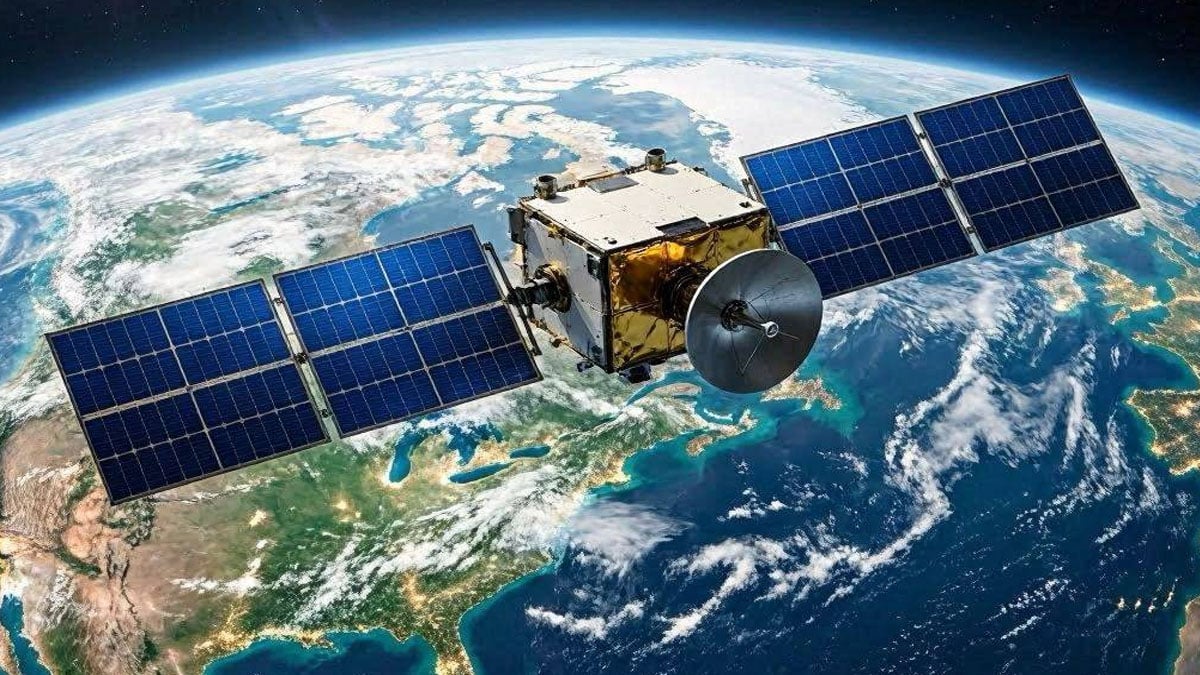
INTERNATIONAL BUREAU —file photo/Reuters The US Federal Communications Commission authorised Elon Musk’s SpaceX on Wednesday to deploy 1 million satellites to support data centres in space, a fleet that would dwarf the total number of active satellites currently orbiting Earth.
The FCC said it was approving the SpaceX Starmind constellation to help meet rapidly growing demand for AI computing.
SpaceX’s Starlink pioneered the era of large satellite networks, known as megaconstellations, with rivals including Amazon and Chinese operators developing similar systems.
But putting satellites into orbit on the scale envisaged by Starmind would take the boom to a new level, intensifying concerns among scientists about space junk, atmospheric pollution and the transformation of the night sky.
WHAT WOULD 1 MILLION SATELLITES MEAN FOR THE ENVIRONMENT?
Scientists and regulators disagree over how much environmental damage Starmind could cause and how much can be known before the satellites, each with a wingspan of 75 metres (246 feet), begin flying.
In a recent study, University College London researchers estimated that 1 million satellites could increase emissions from launches and re-entries by roughly 70 to 150 times from current levels.
They said the resulting emissions could affect ozone, climate and air quality, and that SpaceX’s filing lacked the information needed to fully assess those risks.
The FCC, however, said those questions largely fell outside its remit. “Potential concerns related to the emissions of rocket launches and the subsequent impacts on the human environment as an indirect result of the Starmind system are outside of the Commission’s purview,” the regulator said.
It also dismissed concerns about satellites burning up in the atmosphere as insufficiently established. “Other concerns, including impacts on the atmosphere caused by satellites burning up on re-entry, remain speculative and not supported in the record,” the FCC said.
Almost certainly. Low-Earth orbit, where Starlink and the proposed Starmind satellites would operate, is already becoming increasingly congested, and experts say the amount of debris there would probably keep rising even if all space activity stopped today.
As of February 1, there were more than 231 million debris objects in orbit measuring between 1 millimetre and 10 centimetres (4 inches), according to the European Space Agency, which has repeatedly called for measures to reduce collision risks.
Key Takeaways & Executive Analysis
- file photo/Reuters The US Federal Communications Commission authorised Elon Musk’s SpaceX on Wednesday to deploy 1 million satellites to support data centres in space, a fleet that would dwarf the total number of active satellites currently orbiting Earth.
- The FCC said it was approving the SpaceX Starmind constellation to help meet rapidly growing demand for AI computing.
- SpaceX’s Starlink pioneered the era of large satellite networks, known as megaconstellations, with rivals including Amazon and Chinese operators developing similar systems.
National News Press adheres to rigorous standards of accuracy, transparency, and independence. If you notice any factual discrepancy, please review our Editorial Policy or contact our desk at editorial@nationalnews.press.
Audience Reviews & Discussion
Share your perspective, rate coverage accuracy, and engage with verified readers across Pakistan.