
Pakistan's Power Tariffs More Than Doubled in 3 Years
Pakistan's power tariffs more than doubled in 3 years — now households are making their own power The Cool Down. National News Pakistan correspondents report that administrative desks and on-ground observers are closely monitoring developments across Pakistan.
60-Second Editorial Quick Summaryخلاصہ
Verified facts & intelligence briefed by National News Press Bureau.
Pakistan has witnessed a staggering increase in power tariffs, which have more than doubled over the past three years.
This surge in electricity costs has compelled many households to seek alternative energy solutions, including generating their own power.
The rising tariffs have sparked widespread concern among citizens, who are now exploring options to mitigate their electricity expenses.
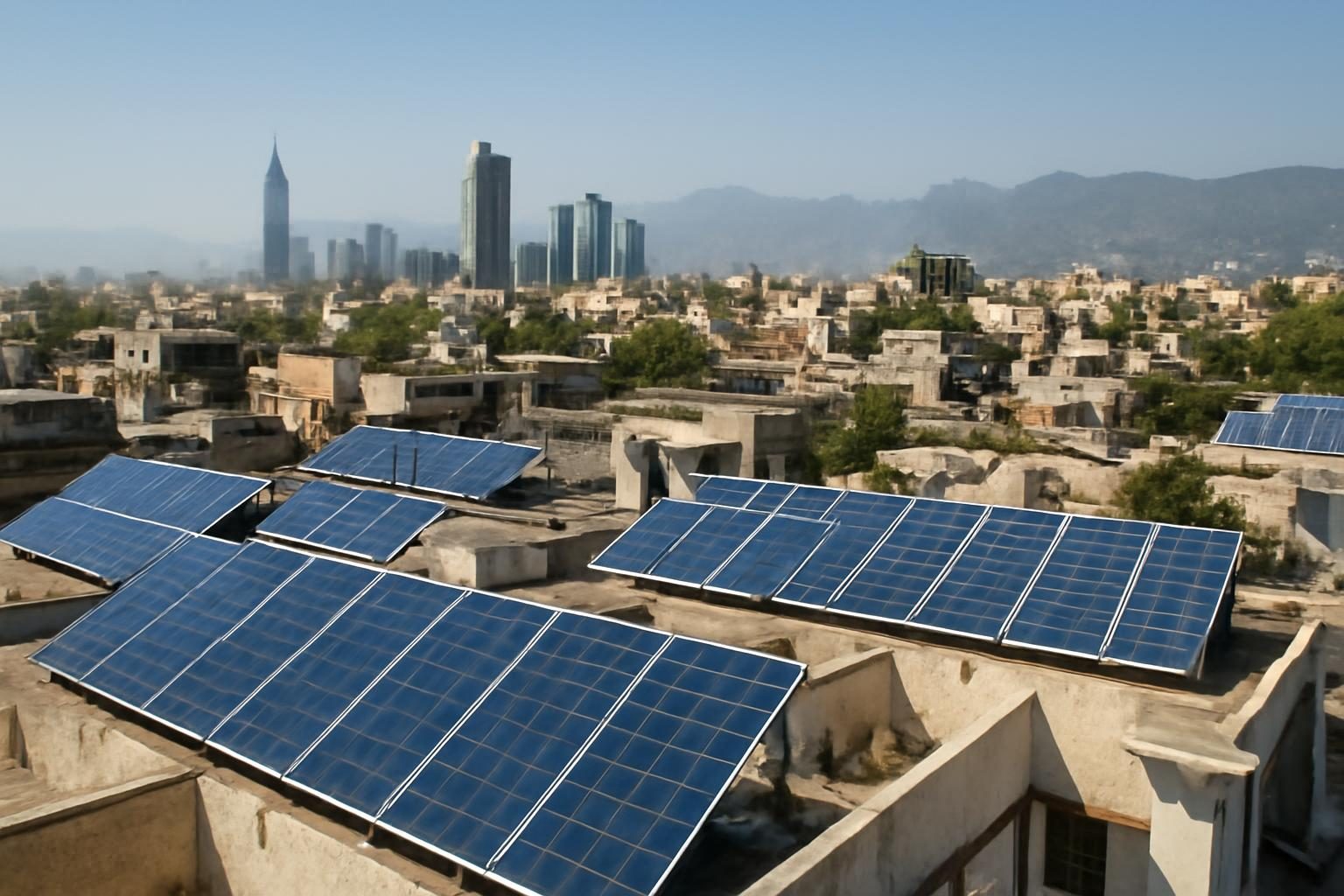
ISLAMABAD BUREAU —Pakistan has witnessed a staggering increase in power tariffs, which have more than doubled over the past three years. This surge in electricity costs has compelled many households to seek alternative energy solutions, including generating their own power. The rising tariffs have sparked widespread concern among citizens, who are now exploring options to mitigate their electricity expenses.
The increase in power tariffs has been attributed to various factors, including rising fuel costs, inefficiencies in the power sector, and the need for infrastructure upgrades. Official statements indicate that the government is grappling with the financial implications of maintaining the energy supply while managing the increasing costs. As a result, many families are turning to solar panels and other renewable energy sources to reduce their reliance on the national grid.
The broader context of this issue lies in Pakistan's ongoing energy crisis, which has been exacerbated by a combination of political, economic, and environmental challenges. The country has struggled with energy shortages for years, and the recent tariff hikes have intensified the urgency for sustainable energy solutions. Regulatory bodies are under pressure to reform the energy sector and provide relief to consumers.
The socio-economic impact of rising power tariffs is significant, affecting low-income households the hardest. Many families are forced to make difficult choices between essential needs and paying their electricity bills. The shift towards self-generated power could lead to a transformation in the energy landscape, promoting renewable energy adoption and reducing the burden on the national grid.
National News Press is closely monitoring the developments surrounding power tariffs and their implications for households across Pakistan. We will continue to provide updates as the situation evolves.
Key Takeaways & Executive Analysis
- Pakistan has witnessed a staggering increase in power tariffs, which have more than doubled over the past three years.
- This surge in electricity costs has compelled many households to seek alternative energy solutions, including generating their own power.
- The rising tariffs have sparked widespread concern among citizens, who are now exploring options to mitigate their electricity expenses.
National News Press adheres to rigorous standards of accuracy, transparency, and independence. If you notice any factual discrepancy, please review our Editorial Policy or contact our desk at editorial@nationalnews.press.
Audience Reviews & Discussion
Share your perspective, rate coverage accuracy, and engage with verified readers across Pakistan.