


















NKATI President Criticizes State Bank for Maintaining 11% Interest Rate
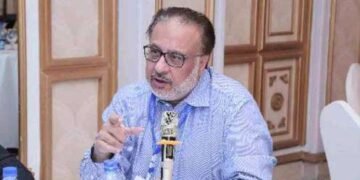
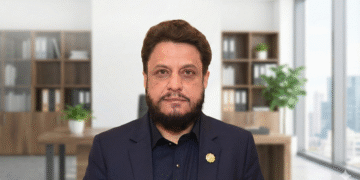
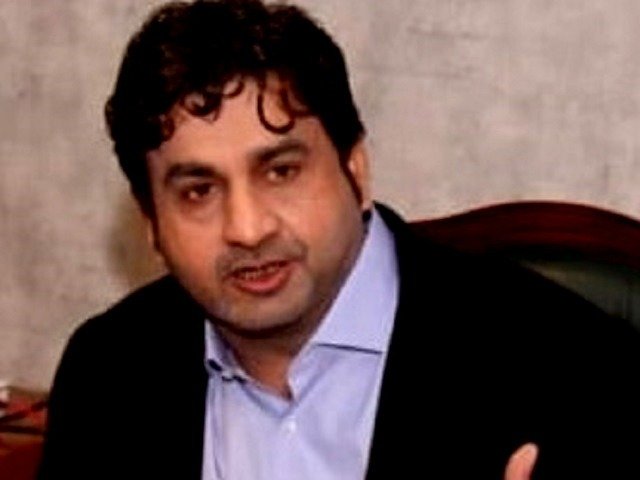
NKATI President Faisal Moiz Khan has expressed deep disappointment over the State Bank of Pakistan’s decision to maintain the policy rate at 11 percent, calling it a serious setback for Pakistan’s business and industrial community.
In his statement, the NKATI President said that the business sector had hoped for a reduction to single digits, which could have revitalized investment, manufacturing, and exports. “We expected the State Bank to cut the policy rate by at least two to three percent, but the decision to keep it unchanged is deeply discouraging,” he remarked.
High Interest Rates Hindering Economic Recovery
Faisal Moiz Khan warned that maintaining such a high interest rate would undermine the ongoing efforts of Prime Minister Mian Shahbaz Sharif and Field Marshal General Syed Asim Munir to stabilize and strengthen Pakistan’s economy.
He added that if the interest rate had been brought down to single digits, industrialists would have accessed bank financing to upgrade machinery, boosting industrial output and employment generation.
Instead, he lamented, the high cost of borrowing has slowed down new investment, leading to stagnation in industrial productivity.
Rising Business Costs and Stalled Growth
The NKATI President emphasized that the private sector is already struggling with unbearably high gas and electricity tariffs, and that expensive loans only add to the pressure.
“The private sector cannot bear this additional burden,” Faisal Moiz Khan said.
“Due to these policies, the process of economic growth has virtually come to a standstill.”
He urged the State Bank of Pakistan to reconsider its decision and take into account the ground realities faced by the country’s industrial sector. He further stressed that reducing the policy rate is vital to stimulate investment, encourage entrepreneurship, and revive manufacturing activity in key industrial zones like North Karachi.
Business Community Calls for Policy Reforms
The NKATI President reaffirmed the association’s commitment to work with the government for sustainable economic growth, but said that monetary policies must align with business needs.
He appealed to the Ministry of Finance and the State Bank to create a pro-industry policy framework, facilitating easy access to credit and supporting exports.
He also noted that regional competitors, including Bangladesh and India, maintain much lower interest rates, giving their industries a significant edge in global competitiveness.