

























Tensions in the Gulf: Threat of War in the Shadow of Diplomacy
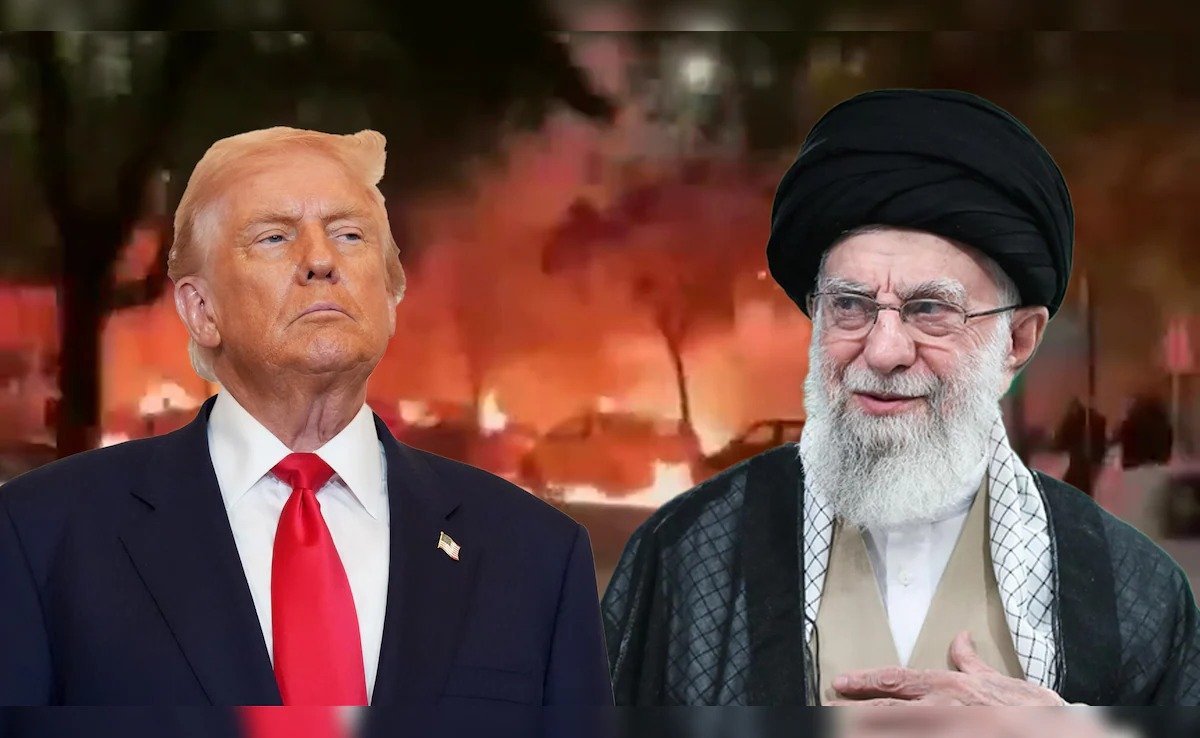
Karachi, Pakistan – While diplomatic channels between the United States and Iran remain active, tensions in the Gulf region have once again escalated sharply. Reports indicate that the United States has deployed its largest air force presence in the Middle East since the 2003 invasion of Iraq, while Iran has temporarily restricted maritime traffic during military exercises in the Strait of Hormuz, raising alarm in global energy markets.
The dual track of diplomacy and military pressure has created uncertainty, as negotiations continue alongside visible displays of force. The situation reflects growing mistrust between Washington and Tehran, with global implications.
Conflicting Demands and Strategic Mistrust
Washington has demanded that Iran halt uranium enrichment, limit its ballistic missile program, and end support for allied regional groups. Tehran, however, maintains that negotiations should be confined strictly to its nuclear program and insists on sanctions relief in return. These opposing positions are rooted in decades of political mistrust and divergent strategic objectives.
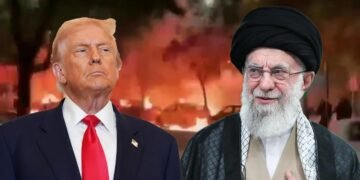
The uncertainty deepened after former US President Donald Trump announced that a decision on possible military action would be taken within days, leaving open the question of whether potential strikes would be limited to nuclear facilities or extend further.
Iran’s Nuclear Program and the JCPOA
Iran’s nuclear program dates back to the 1950s but gained momentum after the Iran-Iraq war. International concern intensified in 2002 following revelations of undeclared nuclear facilities. Years of diplomacy culminated in the 2015 Joint Comprehensive Plan of Action (JCPOA), under which Iran agreed to restrict uranium enrichment, reduce centrifuges, and allow international inspections in exchange for sanctions relief.
Although the deal temporarily eased tensions, it did not address Iran’s missile program or regional activities, which critics argue allowed Tehran to expand its influence across the Middle East.
Escalation After US Withdrawal
The US withdrawal from the JCPOA in 2018 and the reimposition of sanctions placed severe strain on Iran’s economy, reducing oil exports and strengthening hardline factions. Iran subsequently breached parts of the agreement, increasing uranium enrichment levels. Incidents including tanker attacks in the Strait of Hormuz, the downing of a US drone, and the killing of Iranian commander Qassem Soleimani further escalated tensions.
These developments entrenched hostility and reduced prospects for immediate diplomatic resolution.
Regional Wars and Global Implications
The situation further deteriorated following the Israel-Hamas conflict in October 2023, as Iranian-backed groups intensified attacks on US and Israeli interests. In 2024, Iran and Israel exchanged direct missile and drone strikes. In 2025, Israel carried out unilateral attacks after the International Atomic Energy Agency declared Iran non-compliant, followed by US strikes on Iranian nuclear facilities.
Although a ceasefire was later declared, the core conflict remains unresolved, keeping the region on edge.
The Need for Balanced Diplomacy
Iran views its nuclear program as a sovereign right, while the United States and Israel consider it a serious threat to regional stability. The temporary closure of the Strait of Hormuz has underscored how any military confrontation could immediately disrupt global trade and energy supplies.
A sustainable solution requires phased and balanced diplomacy, including verifiable commitments, gradual sanctions relief, and meaningful engagement on regional security concerns. Military force may apply pressure, but without wisdom and restraint, the crisis risks plunging not only the Middle East but the world into deeper instability.