
Economic Policies Delivering Positive Signals for Pakistan’s Economy
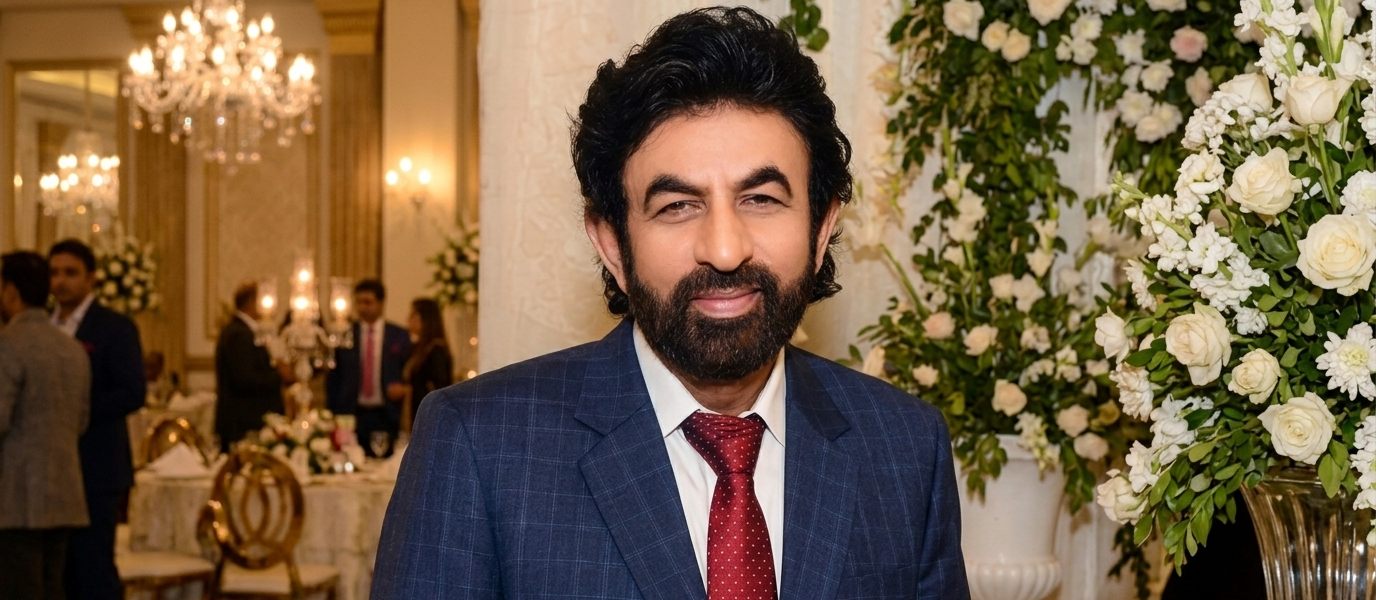
Economic Policies introduced by the government are beginning to produce encouraging results for Pakistan’s economy, according to Malik Muhammad Bostan, Chairman of the Exchange Companies Association of Pakistan.
In a statement issued in Karachi, Malik Muhammad Bostan said the continuous improvement in Pakistan’s foreign exchange reserves, the strengthening of the Pakistani rupee against the US dollar, and growing confidence from the International Monetary Fund (IMF) are all positive indicators for the national economy.
He stated that the impact of the government’s economic strategy has started becoming visible while confidence among foreign investors is also gradually improving.
Improvement in Foreign Exchange Reserves
Malik Muhammad Bostan said the increase in the State Bank of Pakistan foreign exchange reserves would reduce pressure on imports and external payments.
According to him, stronger reserves would also help improve Pakistan’s financial standing with international lending institutions and strengthen confidence in the country’s economic management.
He added that the IMF’s growing trust in the government’s economic policies reflects that Pakistan is moving in the right direction toward financial stability.
Rupee Stability and Inflation Control
The ECAP Chairman stated that the improvement in the value of the Pakistani rupee against the US dollar would help control inflation and reduce import costs.
He explained that lower import expenses could support business activities across multiple sectors by reducing operational costs for industries dependent on imported goods and raw materials.
Malik Bostan added that currency stability is an important factor in restoring investor confidence and improving overall economic sentiment in the country.
Diplomatic Efforts Praised by ECAP Chairman
Malik Muhammad Bostan also praised the diplomatic initiatives undertaken by Syed Asim Munir and Prime Minister Shehbaz Sharif to reduce tensions between Iran and the United States.
He described efforts aimed at extending the ceasefire and promoting peace in the region as commendable diplomatic achievements.
According to him, Pakistan has consistently supported regional peace, dialogue, and stability, and these recent diplomatic initiatives have strengthened the country’s positive international image.
Regional Stability May Benefit Global Markets
The ECAP Chairman said reduced regional tensions could also positively impact international financial markets and contribute to oil price stability.
He noted that stable oil prices would benefit developing economies, including Pakistan, by reducing economic pressure related to fuel imports and inflation.
Malik Bostan added that peaceful regional conditions are essential for economic growth, investor confidence, and long-term financial planning.
Remittances and Anti-Smuggling Measures Support Rupee
Malik Muhammad Bostan further stated that rising remittances from overseas Pakistanis, improvement in exports, and government measures against illegal currency smuggling have all contributed to stabilizing the rupee.
He said these factors are helping strengthen the country’s economic foundation and improving overall confidence in the financial system.
According to him, continued efforts to curb illegal currency activities are important for maintaining stability in the exchange market.
Hope for Long-Term Economic Stability
The ECAP Chairman expressed hope that Pakistan would achieve new milestones in economic stability and growth if the government, military leadership, and economic institutions continue working together with the same commitment.
He emphasized that coordinated economic and diplomatic efforts are necessary to maintain progress and improve the country’s long-term financial outlook.
Conclusion
Malik Muhammad Bostan stated that recent improvements in foreign exchange reserves, rupee stability, remittances, and investor confidence indicate that the government’s economic policies are producing positive outcomes. He also stressed that regional peace and economic coordination will remain important for sustaining Pakistan’s financial stability and future growth.