
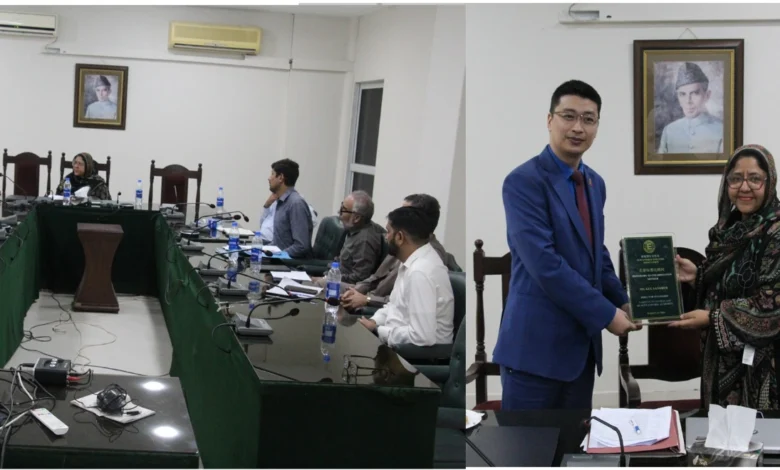
PSQCA Standards Discussion Focuses on Electric Vehicles
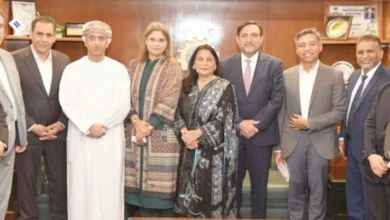
KARACHI, October 12, 2026: The Pakistan Standards and Quality Control Authority (PSQCA) held a high-level technical meeting with a delegation from the China New Energy Industry Association to discuss collaboration on electric two-wheeler and three-wheeler standardization in Pakistan.
The meeting at PSQCA headquarters focused on aligning national quality requirements with international benchmarks, supporting the adoption of electric vehicles (EVs), and promoting sustainable green mobility. The discussions also examined how technical cooperation could contribute to quality compliance and long-term economic growth.
The PSQCA standards discussions placed particular emphasis on the relationship between International Electrotechnical Commission (IEC) standards and Chinese GB/T electric vehicle standards. Both sides discussed the importance of technical coordination in supporting standardized electric mobility solutions in Pakistan.
1. China New Energy Industry Association Presents Proposals
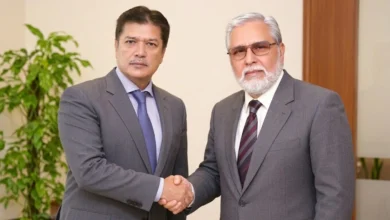
During the meeting, Niko Chan, Chairman of the China New Energy Industry Association, introduced the organization and presented proposals aimed at expanding electric two-wheeler and three-wheeler technology in Pakistan.
The delegation highlighted the potential economic and environmental benefits of electric vehicles for the Pakistani market. It also sought PSQCA’s technical guidance on aligning relevant standards, particularly those developed under the IEC framework and China’s GB/T standards system.
The proposed collaboration focused on creating better technical understanding of the standards relevant to electric vehicle technology. The discussion provided an opportunity for the delegation to outline its proposals and seek guidance on the national standardization requirements applicable to Pakistan.
2. PSQCA Explains Standardization and Certification Requirements
Welcoming the delegation, PSQCA reaffirmed its commitment to facilitating energy efficiency and quality compliance in Pakistan’s developing electric vehicle sector.
The authority’s technical team explained national standardization processes, certification protocols and quality compliance pathways designed to support the safe and reliable deployment of electric vehicles.
These processes are important considerations when assessing the requirements for introducing products into the market. The discussion allowed representatives of the association to learn more about Pakistan’s standardization framework and the technical requirements relevant to electric two-wheelers and three-wheelers.
For further information about the authority, readers can visit the official Pakistan Standards and Quality Control Authority website.
3. Technical Experts Participate in PSQCA Standards Talks
The PSQCA team was led by Ms. Gul Sanober, Director Standards. The participating technical officers included Engr. Bashir Ahmed Unar from the Electrotechnical Division, Engr. Waqar Hassan from the Automobile Sector, and Mr. Khawaja Ghulam Mohidin from the Chemical and Materials Division.
The team brought together expertise from several technical areas relevant to the meeting’s discussions, including electrotechnical standards, automobiles, and chemical and materials considerations.
The participation of these officials supported discussions on the technical and regulatory aspects of electric vehicle standardization. Both sides expressed satisfaction with the outcome of the meeting and agreed to maintain close technical coordination.
4. IEC and GB/T Standards Alignment Remains a Key Priority
A central subject of the meeting was the potential alignment of IEC standards with Chinese GB/T electric vehicle standards.
The China New Energy Industry Association requested technical guidance from PSQCA on standards mapping and the relevant compliance requirements for electric two-wheelers and three-wheelers in Pakistan.
The International Electrotechnical Commission develops international standards for electrical, electronic and related technologies. During the meeting, the discussion focused on the relevance of IEC standards and their relationship with the Chinese standards framework for electric vehicles.
The PSQCA standards discussions did not announce a finalized alignment framework or a completed regulatory arrangement. Instead, the two sides agreed to continue technical engagement on standards mapping and regulatory compliance.
This ongoing coordination is intended to support work towards the adoption of high-quality, standardized electric vehicles in Pakistan.
5. Cooperation Aims to Support Green Mobility in Pakistan
The meeting highlighted the potential for greater technical cooperation between PSQCA and the China New Energy Industry Association in the electric mobility sector.
The delegation outlined the potential economic and environmental benefits of expanding electric two-wheeler and three-wheeler technology in Pakistan. PSQCA, meanwhile, explained the country’s standardization processes and the compliance pathways relevant to electric vehicle deployment.
The discussions underscored the importance of addressing quality, certification and regulatory considerations alongside the development of electric vehicle technology.
Both sides expressed satisfaction with the meeting and agreed to maintain close technical coordination. Their continued engagement will focus on standards mapping and regulatory compliance to help support the adoption of standardized electric two-wheelers and three-wheelers.
PSQCA and Chinese Association Agree to Continue Technical Coordination
The meeting concluded with an agreement to maintain technical engagement between PSQCA and the China New Energy Industry Association.
The discussions focused on aligning relevant standards, understanding national compliance requirements and supporting the deployment of electric vehicles that meet applicable quality standards.
The PSQCA standards meeting represents a step towards continued technical cooperation on electric mobility in Pakistan. While further coordination remains necessary, both sides have expressed their willingness to continue discussions aimed at supporting standardized electric two-wheeler and three-wheeler technology.
The collaboration is intended to contribute to quality compliance and sustainable green mobility while keeping technical standards and regulatory requirements central to future progress.