
Author: Masood Ahmed Siddiqui
Privatization of Power Distribution Companies — A Real Transformation in Pakistan’s Energy Sector?
By Masood Ahmed Siddiqui
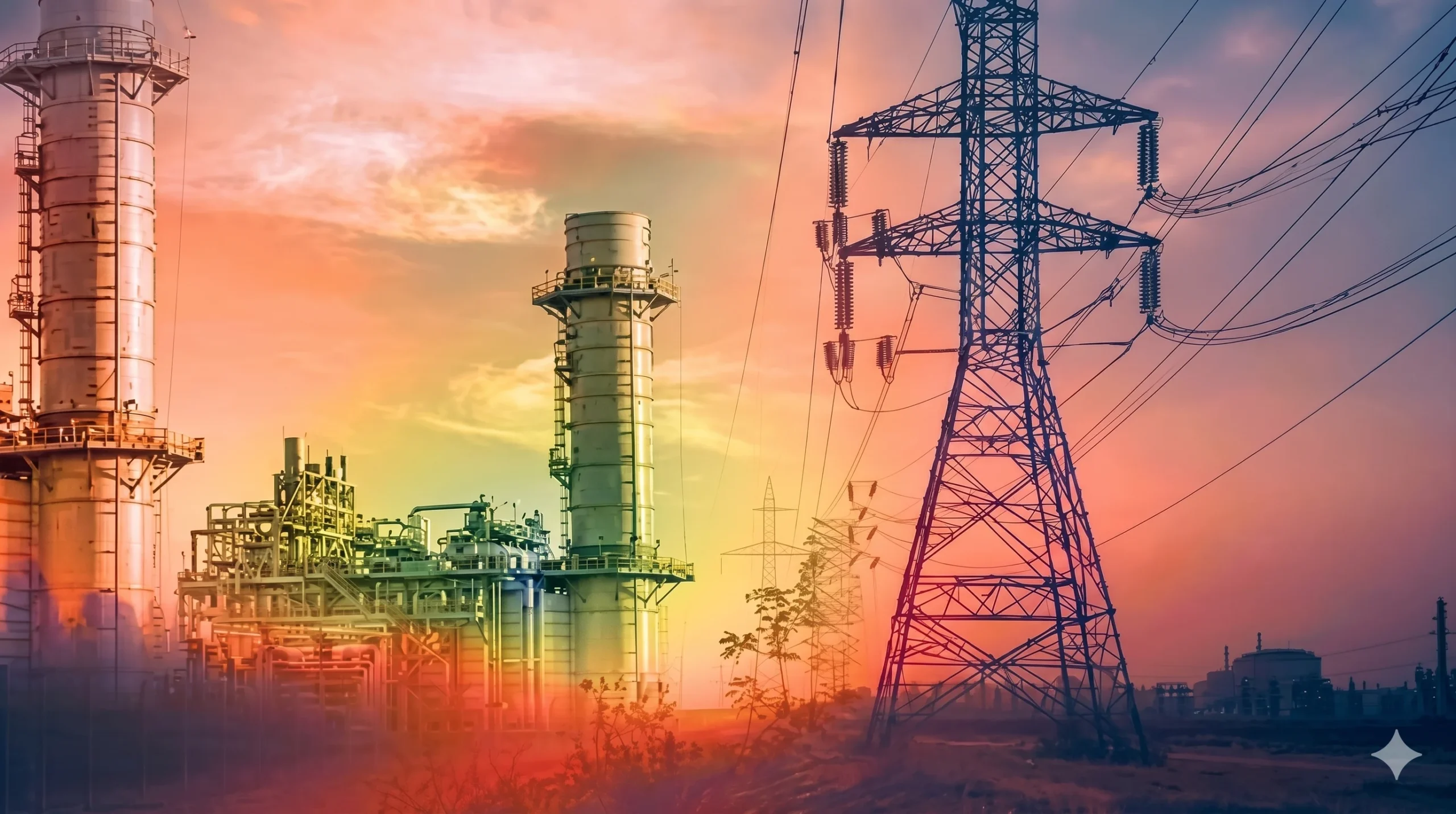
Pakistan’s economy has long been plagued by serious energy sector challenges, including circular debt, electricity theft, transmission and distribution losses, and weak administrative structures. To address these issues, the Government of Pakistan has initiated the privatisation process of Faisalabad Electric Supply Company, Islamabad Electric Supply Company and Gujranwala Electric Power Company by inviting expressions of interest from local and international investors.
The government describes this move as a major step toward reforms, investment, and improved efficiency in the power sector. However, any discussion regarding privatization in Pakistan’s energy sector cannot ignore the experience of K-Electric, the country’s only major privately managed electricity distribution company.
K-Electric, formerly known as Karachi Electric Supply Corporation (KESC), was privatised in 2005 with the expectation that private management would improve electricity supply in Karachi, reduce load shedding, and stabilize the company financially.
An objective assessment of K-Electric shows that its privatisation cannot be termed a complete failure, nor can it be considered a perfect success story. On the positive side, electricity supply became relatively more stable in many industrial and commercial areas of Karachi. Improved power supply for industrial consumers particularly helped economic activity.
On the other hand, a large number of consumers continue to complain about unannounced load shedding, overbilling, poor customer service, and high electricity tariffs. Critics argue that the private sector naturally prioritizes profitability, and without strong regulatory oversight, public interest may suffer. This is why K-Electric’s experience is repeatedly cited whenever privatisation of public utilities is discussed in Pakistan.
In the context of the privatisation of FESCO, GEPCO, and IESCO, K-Electric’s model offers several important lessons. The most significant lesson is that privatisation alone cannot solve systemic problems. Strong regulatory frameworks, transparent agreements, strict monitoring mechanisms, protection of consumer rights, and clearly defined performance standards are equally essential. Without these safeguards, new privatisation initiatives may also face public criticism.
Globally, there is a growing shift toward solar and wind energy. K-Electric may accelerate green energy initiatives in Karachi, including solar integration and battery storage systems, to reduce dependence on expensive furnace oil.
K-Electric has also faced disputes in the past with NEPRA, the federal government, and provincial authorities regarding tariffs and subsidies. The new leadership may attempt to improve institutional coordination and policy engagement to resolve these longstanding issues.
The key question, however, remains whether the government has truly learned from past mistakes. K-Electric’s experience demonstrates that even after privatisation, strong governmental oversight, independent regulators like National Electric Power Regulatory Authority, and robust consumer protection mechanisms remain critically important.
If the government pursues privatisation merely to reduce its financial burden while neglecting public interest, the results could become controversial. But if the process is carried out with transparency, strong policymaking, accountability, and national interest at its core, it could bring a genuine transformation to Pakistan’s energy sector.