
US-Iran Peace Talks End Without Breakthrough
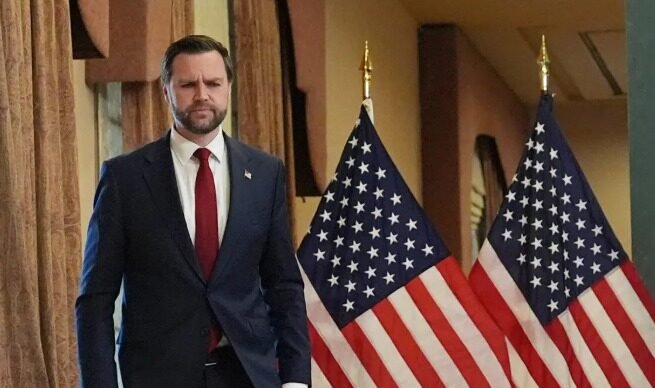
The latest round of Iran talks between the United States and Iran has ended without an agreement, according to U.S. Vice President JD Vance. The high-level diplomatic engagement, aimed at reducing tensions in the Middle East, concluded after nearly 21 hours of continuous negotiations in Islamabad, Pakistan.
The talks were described as one of the most significant direct diplomatic efforts between Washington and Tehran in decades.
Key Issues Discussed in the Negotiations
The discussions focused on several critical regional and strategic concerns, including:
- Ending ongoing hostilities in the Middle East
- Reopening the Strait of Hormuz
- Addressing Iran’s nuclear program
Despite extended negotiations, major disagreements between both sides remained unresolved.
US Delegation Returns Without Agreement
Speaking after the conclusion of the talks, JD Vance confirmed that the U.S. delegation would return home without securing a deal. He stated that Iran had not accepted key American conditions, particularly those related to restrictions on nuclear weapons development.
The United States emphasized that its core demands were non-negotiable within the current framework of discussions.
Iran’s Response to the Talks
Iranian officials, meanwhile, described the negotiations as an initial diplomatic step rather than a final agreement. They stated that they did not expect an immediate breakthrough and maintained that further dialogue would be required to make progress.
Iran reiterated its position while leaving the possibility open for future rounds of negotiations.
Pakistan’s Mediating Role
Pakistan played a central role in facilitating the diplomatic engagement. Prime Minister Shehbaz Sharif and senior Pakistani officials helped coordinate communication between the two delegations during the talks held in Islamabad.
Diplomatic sources noted that Pakistan’s involvement was aimed at encouraging dialogue and reducing regional tensions.
Regional and Global Concerns Rise
The collapse of the Iran talks has raised concerns over increasing instability in the Middle East. Analysts warn that continued diplomatic deadlock could impact global oil supply routes and further strain an already fragile regional ceasefire.
Experts also suggest that the failure to reach an agreement may increase the risk of escalation if negotiations are not resumed soon.
Outlook for Future Negotiations
Despite the lack of a formal agreement, officials from all sides acknowledged limited progress on certain issues. Diplomatic channels remain open, and further talks are expected to be considered in the coming weeks.
However, uncertainty remains over whether both parties will return to the negotiating table with more flexible positions.
Conclusion
The latest round of Iran talks ended without a breakthrough, highlighting deep divisions between the United States and Iran. While Pakistan’s mediation helped facilitate dialogue, key disputes remain unresolved, leaving the future of diplomatic engagement uncertain.