
Heatwave – -Planting Trees Is a Necessity
Karachi is once again facing an intense heatwave, with temperatures expected to reach as high as 43°C. The Pakistan Meteorological Department has warned citizens to take precautions as extreme heat, combined with high humidity levels, could significantly increase health risks.
Over the years, rapid urbanization and uncontrolled development have reduced green spaces across Karachi. Trees play a vital role in regulating temperatures by providing shade, reducing heat absorption, and improving air quality. Studies around the world have shown that areas with dense tree cover can be several degrees cooler than surrounding urban environments.
The increasing frequency of heatwaves is closely linked to climate change, environmental degradation, and deforestation. Every year, thousands of people, especially children, elderly citizens, and outdoor workers, are exposed to dangerous heat conditions. Heat-related illnesses such as dehydration, heat exhaustion, and heatstroke are becoming more common.
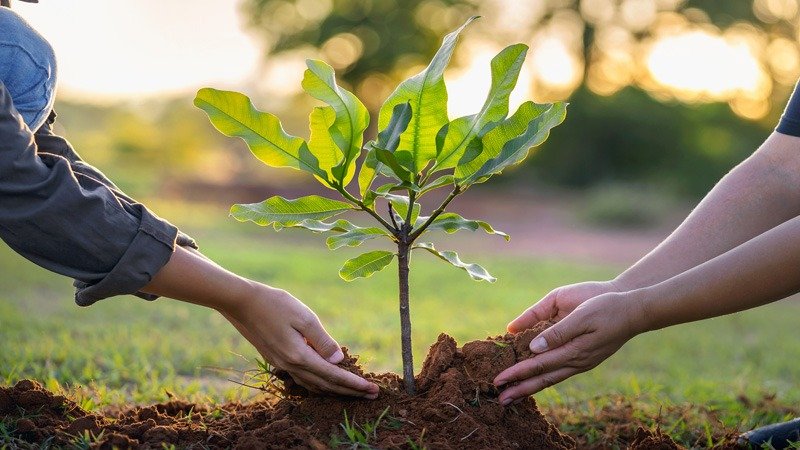
Planting trees is one of the simplest and most effective ways to combat rising temperatures. Trees absorb carbon dioxide, release oxygen, reduce air pollution, and help cool the environment naturally. They also improve mental well-being, enhance biodiversity, and create healthier communities.
However, this responsibility does not belong only to the government. Citizens, businesses, schools, universities, and community organizations must actively participate in tree plantation drives. Every home, office, park, and roadside area has the potential to contribute to a greener and cooler future.
If we truly want to protect ourselves and future generations from extreme heatwaves, we must start planting trees today. A single tree may seem small, but millions of trees can transform cities, reduce temperatures, and save lives.
The heatwave warning should serve as a reminder that environmental protection is not just an ecological issue—it is a public health necessity. The best time to plant a tree was years ago. The second-best time is now.