
Policy Rate Increase Draws Criticism from NKATI
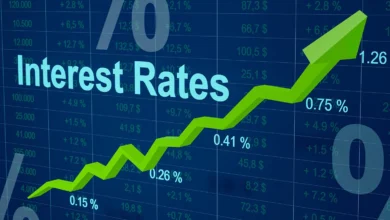
KARACHI (NNP): President of the North Karachi Association of Trade and Industry (NKATI), Faisal Moez Khan, has termed the State Bank of Pakistan’s (SBP) decision to increase the policy rate by 50 basis points unacceptable to the business community.
He said raising the policy rate to 12 percent would increase the difficulties faced by the industrial sector and undermine ongoing efforts to achieve economic stability. According to Khan, the decision could slow industrial growth and weaken the competitiveness of Pakistani products in international markets.
The NKATI president stressed that the prevailing economic circumstances did not warrant an increase in interest rates. He said businesses needed access to affordable financing and economic incentives to support domestic production, sustain commercial activities and create employment opportunities.
Policy Rate at 12% Could Pressure Industrial Growth
Faisal Moez Khan said the policy rate increase could place further pressure on industries already dealing with operational challenges. He expressed concern that higher interest rates would make it more difficult for businesses to maintain their activities and support industrial expansion.
According to Khan, industrial growth requires an economic environment that enables businesses to continue production and plan their activities with greater confidence. He maintained that raising the policy rate to 12 percent would add to the difficulties of manufacturers and other businesses.
He also warned that the decision could create further obstacles for efforts aimed at strengthening economic stability. In his view, policies affecting the cost of financing should take into account the needs of industry and the importance of maintaining productive economic activity.
Khan said the business community was seeking measures that could encourage production, support industrial development and create opportunities for employment rather than add to the financial pressure faced by businesses.
NKATI Warns of Impact on Export Competitiveness
The NKATI president said the higher policy rate could weaken the international competitiveness of Pakistani products.
He noted that industrial growth and export performance were important considerations when assessing the implications of monetary policy decisions. According to him, increasing financing costs could make it more difficult for businesses to sustain production and compete in international markets.
Khan also argued that a policy rate of 12 percent would undermine the competitiveness of Pakistan’s economy compared with regional countries. He said the government and the central bank should carefully consider the likely effects of monetary policy on manufacturers, exporters and the wider business community.
He emphasised that policies supporting domestic production and export activity were necessary to help businesses maintain their position in international markets. The NKATI president therefore called for an approach that takes industrial requirements and export competitiveness into account when making economic decisions.
Business Community Needs Affordable Financing
Faisal Moez Khan maintained that the business community urgently needed access to low-cost financing and incentives to boost domestic production.
He said affordable financing could help businesses sustain their activities and create new employment opportunities. In contrast, he warned that higher interest rates could increase financial pressure on manufacturing industries and make continuing operations more difficult.
The NKATI president stressed that economic policies should support productive activities and enable businesses to contribute to industrial growth. He called for measures that would help manufacturers maintain output and sustain their operations under the prevailing economic conditions.
Khan said the decision to increase the policy rate did not adequately address the difficulties faced by businesses. He urged the authorities to consider the industrial sector’s financing needs and the importance of supporting production when determining monetary policy.
Interest Rate Hike Could Increase Debt Burden
Khan also warned that the policy rate increase could increase the debt burden and deal a setback to efforts aimed at achieving economic stability.
He said the decision could have consequences beyond the immediate cost of financing, particularly if industrial businesses found it increasingly difficult to maintain their operations. The potential impact on industrial output and export competitiveness was also a major concern raised by the NKATI president.
According to Khan, the policy rate should be assessed in the context of its implications for the business environment, industrial activity and the wider economy. He maintained that a higher rate could create additional challenges for businesses seeking to sustain production and contribute to economic growth.
He reiterated that the business community needed supportive economic measures rather than further increases in financing costs.
Manufacturing Industries Face Additional Pressure
The NKATI president expressed concern that the increase in interest rates was adding to the challenges faced by manufacturing industries rather than effectively contributing to price stability.
He warned that the additional financial burden could force formal businesses to shut down or reduce their operations. Such an outcome, he said, would create further difficulties for industrial activity and undermine efforts to sustain production.
Khan stressed that the industrial sector needed policies that encouraged businesses to continue operating and investing in productive activities. Access to affordable financing and appropriate economic incentives, in his view, would be important in supporting manufacturers and maintaining business confidence.
He also reiterated the need to consider the broader consequences of monetary policy decisions for the economy. The ability of businesses to continue production and remain competitive was central to the concerns he raised over the policy rate increase.
NKATI Calls for Business-Friendly Economic Policies
Faisal Moez Khan urged the authorities to adopt an approach that takes the needs of the business community and industrial sector into account.
He said the policy rate increase to 12 percent could weaken industrial growth, affect export competitiveness and place further pressure on businesses. He maintained that access to low-cost financing and economic incentives was needed to boost domestic production, sustain business activities and create employment.
The NKATI president reiterated that the State Bank’s decision to raise the policy rate by 50 basis points was unacceptable to the business community under the prevailing circumstances.
He warned that the measure could increase industrial difficulties, add to the debt burden and undermine efforts to achieve economic stability. Khan’s remarks underscored the concerns of the business community regarding the effects of higher interest rates on manufacturing, exports and Pakistan’s wider economic outlook.