Saudi Arabia to Build Karachi-Hyderabad Motorway Under New Investment Agreements

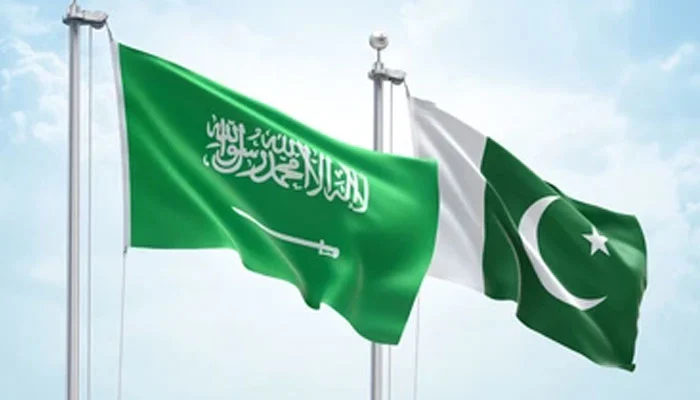
The Karachi-Hyderabad Motorway project received a major boost as Pakistan and Saudi Arabia signed multiple investment agreements aimed at expanding cooperation in infrastructure, transportation, real estate, and mineral development.
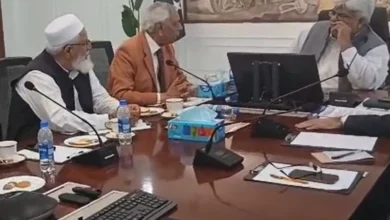
The agreements were finalized during a meeting of the Saudi-Pak Joint Business Council, highlighting growing economic ties between the two countries and opening new avenues for foreign investment in Pakistan.
Karachi-Hyderabad Motorway Project Moves Forward
The Karachi-Hyderabad Motorway was among the key projects discussed during the high-level meeting, where significant progress was reportedly made regarding its construction and development.
According to sources, agreements related to the development of motorways and transportation infrastructure were signed as both countries explored opportunities for long-term cooperation in strategic sectors.
The project is expected to improve connectivity between Karachi and Hyderabad while supporting trade, transportation, and economic activity in the region.
Pakistan and Saudi Arabia Sign Multiple Investment Agreements
Several agreements were signed covering infrastructure development, port construction, motorway projects, real estate ventures, and mineral sector investments.
The meeting was jointly hosted by the Special Investment Facilitation Council (SIFC) and the Pak-Saudi Joint Business Council.
Former caretaker federal minister Gohar Ijaz and Pak-Saudi Joint Business Council Chairman Fawad Mukhtar chaired the session, which focused on expanding bilateral economic cooperation and attracting foreign investment into Pakistan.
Saudi Delegation Led by Prince Mansoor bin Al-Saud
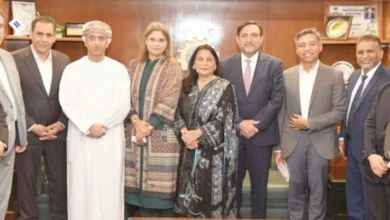
The Saudi delegation was led by Prince Mansoor bin Al-Saud, Chairman of the Pak-Saudi Business Council.
According to sources, Prince Mansoor signed various agreements aimed at strengthening business partnerships and promoting investment opportunities between the two countries.
The participation of senior Saudi business representatives reflected the Kingdom’s growing interest in Pakistan’s infrastructure and development sectors.
Focus on Ports, Infrastructure, and Economic Growth
In addition to the Karachi-Hyderabad Motorway, agreements were signed for the construction and development of ports and other major infrastructure projects.
Government sources stated that both countries also agreed to enhance cooperation in real estate and mineral development, sectors considered vital for Pakistan’s long-term economic growth.
Officials believe these initiatives can help generate employment opportunities, attract foreign capital, and support industrial expansion across the country.
Saudi Investors Briefed on Opportunities in Pakistan
Saudi investors received detailed presentations on investment opportunities available in Pakistan across multiple sectors.
The briefing covered joint investment projects, the power sector, transmission lines, smart metering systems, petroleum exploration, and mineral development.
Officials highlighted Pakistan’s strategic location, improving investment climate, and ongoing reforms designed to facilitate foreign investment and business growth.
SIFC Encourages Greater Saudi Investment
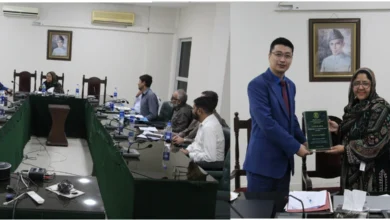
According to sources, Director General SIFC Major General Asadul Rehman thanked the Saudi delegation for its continued interest in Pakistan’s economy.
He encouraged Saudi investors to take full advantage of the opportunities available under Pakistan’s investment framework and emphasized the government’s commitment to facilitating foreign investment projects.
The Special Investment Facilitation Council has been actively working to attract international investors and accelerate the implementation of major development initiatives.
Strengthening Pakistan-Saudi Economic Cooperation
The agreements signed during the meeting reflect the growing economic partnership between Pakistan and Saudi Arabia.
With progress on the Karachi-Hyderabad Motorway and new cooperation in infrastructure, ports, minerals, and real estate, both countries appear committed to expanding investment ties and supporting long-term economic collaboration.
Analysts believe that successful implementation of these projects could contribute significantly to Pakistan’s infrastructure modernization efforts while creating new opportunities for trade, investment, and economic development.